Environment & Nature
Higher insurance for PH farmers sought vs. climate change

By Stephanie Sevillano, Philippine News Agency
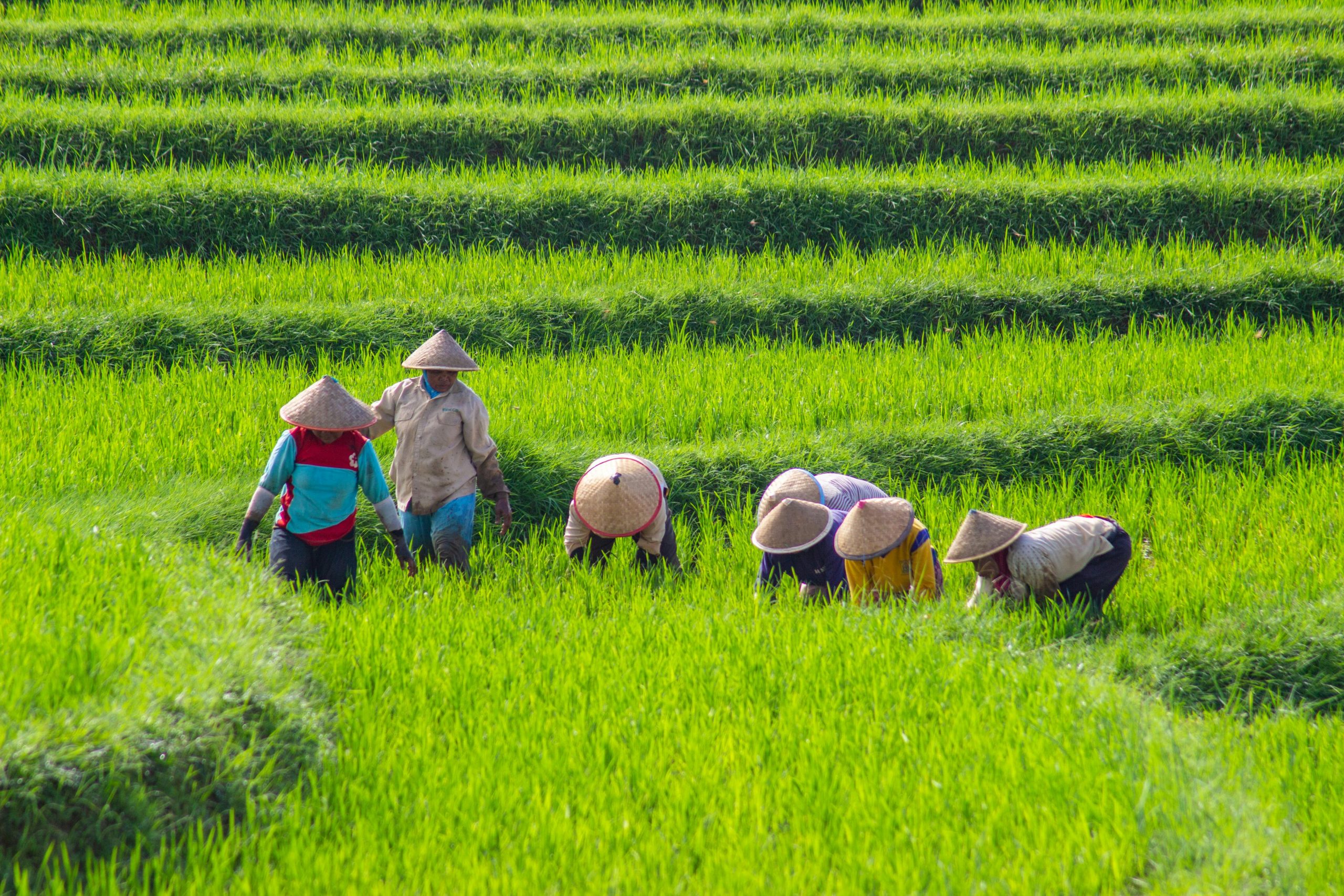
Crop insurance isn’t just a financial product — it’s a critical lifeline. When typhoons, droughts, or pest outbreaks hit, insured farmers can recover faster and get back to planting. (Pexels photo)
MANILA – Agriculture Secretary Francisco Tiu Laurel Jr. on Tuesday urged Congress to increase by nearly half the coverage of the Philippine Crop Insurance Corporation (PCIC) to 4.2 million agricultural workers from the current 2.3 million farmers.
In a statement, the agri chief emphasized that the move will strengthen efforts to achieve food security and resilience by providing local farmers with a “safety net” against rising production costs and unpredictable weather patterns.
“Crop insurance isn’t just a financial product — it’s a critical lifeline. When typhoons, droughts, or pest outbreaks hit, insured farmers can recover faster and get back to planting,” he said.
“Without it, many are left in debt or forced to abandon farming altogether.”
Tiu Laurel noted that the proposed PHP4.5 billion fund for the PCIC’s subsidy in 2026 remains stagnant, which may “undermine” the government’s capacity to protect and assist Filipino farmers from production losses during calamities.
The proposed insurance allocation for next year is the same as it has been since 2022, according to the DA.
“To insure 4.2 million farmers, we need about PHP8 billion. That means we’re short by PHP3.5 billion,” Tiu Laurel said.
“Of the 4.2 million farmers we aim to cover, 2.2 million will be rice farmers — an increase of nearly a million from the current number,” he said.
At present, about 1.25 million rice farmers are insured under the PCIC, but they only have a maximum insurance benefit of PHP20,000 per hectare.
The said coverage is equivalent to only a third of the estimated PHP60,000 per-hectare production cost for rice farmers.
Thus, Tiu Laurel underscored the need to prioritize agricultural resilience through the national budget to help stabilize profitability in the sector, sustain cropping activities, and ensure a stable food supply in the country.