Canada News
Receiver reports two contaminated water spills in one week at Yukon’s Eagle Mine

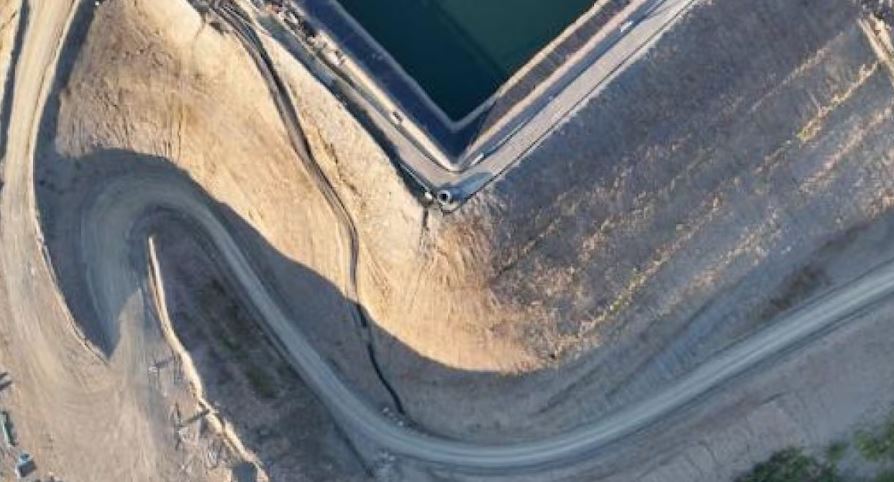
An aerial of the events pond at the Eagle Gold mine site on Aug. 30, 2025. (PricewaterhouseCoopers/Waterline)
By Caitrin Pilkington, RCI, CBC News
Eagle Mine receiver PricewaterhouseCoopers reported two separate spills at the mine site this month, one submitted on Sept. 8 and the next three days later on Sept 11.
The incidents mark the latest in an ongoing battle to control contaminated water at the site after last year’s heap leach failure.
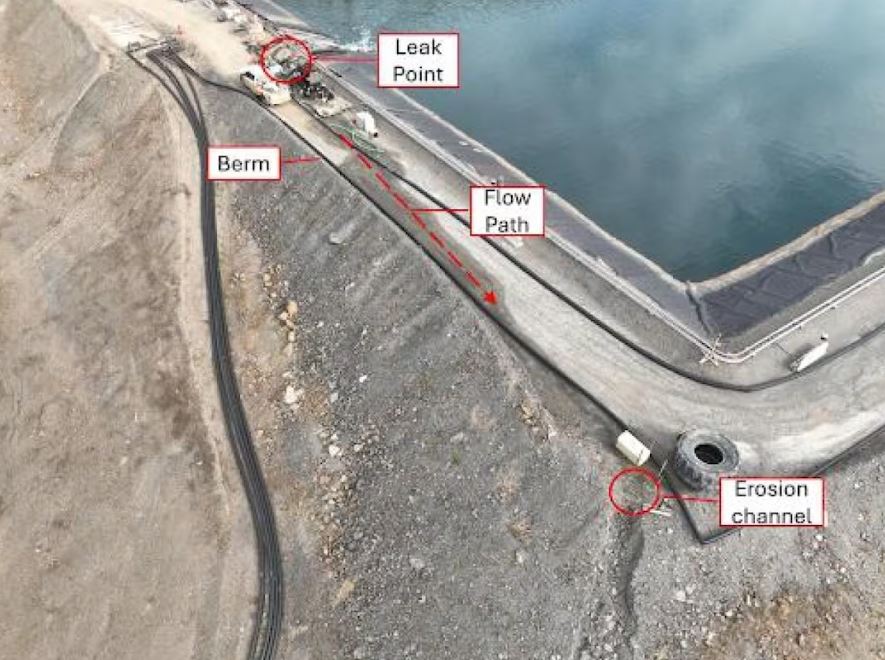
Documents submitted to the Yukon Water Board show a leak at the mine site’s events pond – a pool for storing contaminated water. Pictures from the site appear to show a flow of water that has eroded the containment berm around the events pond.
The receiver also reported a second, more minor spill later in the week.
Christopher Palimaka, a senior manager with PricewaterhouseCoopers, wrote in the report that during a water transfer between two water storage ponds, a leak in a containment liner surrounding a pump led to a water release of less than one square metre.
Palimaka said the majority of the fluid was removed.
Inspector reports unauthorized releases of contaminated water
The most recent inspection report from the government, dated Aug. 26 but undertaken weeks prior, describes several unauthorized water discharges.
“The ongoing release of treated effluent from the [mine water treatment plant] and partially treated effluent from IROSA Pond 1 are unauthorized discharges due to exceedances of [water quality guidelines],” wrote John Minder, an inspector with the government.
“The uncontrolled release of partially treated effluent from the IROSA Pond 2 was an unauthorized discharge which appears to have ceased as the pond is now nearly empty.”
Minder also found effluent entering Haggart Creek that exceeded water quality guidelines for nitrite, ammonia, and cobalt.
The most recent water sampling data at the creek shows the stream has tested above water quality guidelines for nitrite and cobalt for weeks.
The report also noted that an inspector’s direction issued to the receiver last December – which required the receiver to submit a plan to stabilize the heap leach facility – hadn’t been completed.
In an email, John Thompson, aposkesperson for the Department of Energy, Mines and Resources told CBC the deadline for that document was Aug. 15 and the plan has since been submitted.
“In the cases of recent leaks found at the site, the operator took the necessary actions to contain and clean up the spilled material, provided the necessary reporting and addressed the cause of the leak,” wrote Thompson.
“The Government of Yukon is working closely with the receiver to ensure that processes and approaches result in the least harm to the environment.”
This article is republished from RCI.