By Michelle Spear, University of Bristol; The Conversation
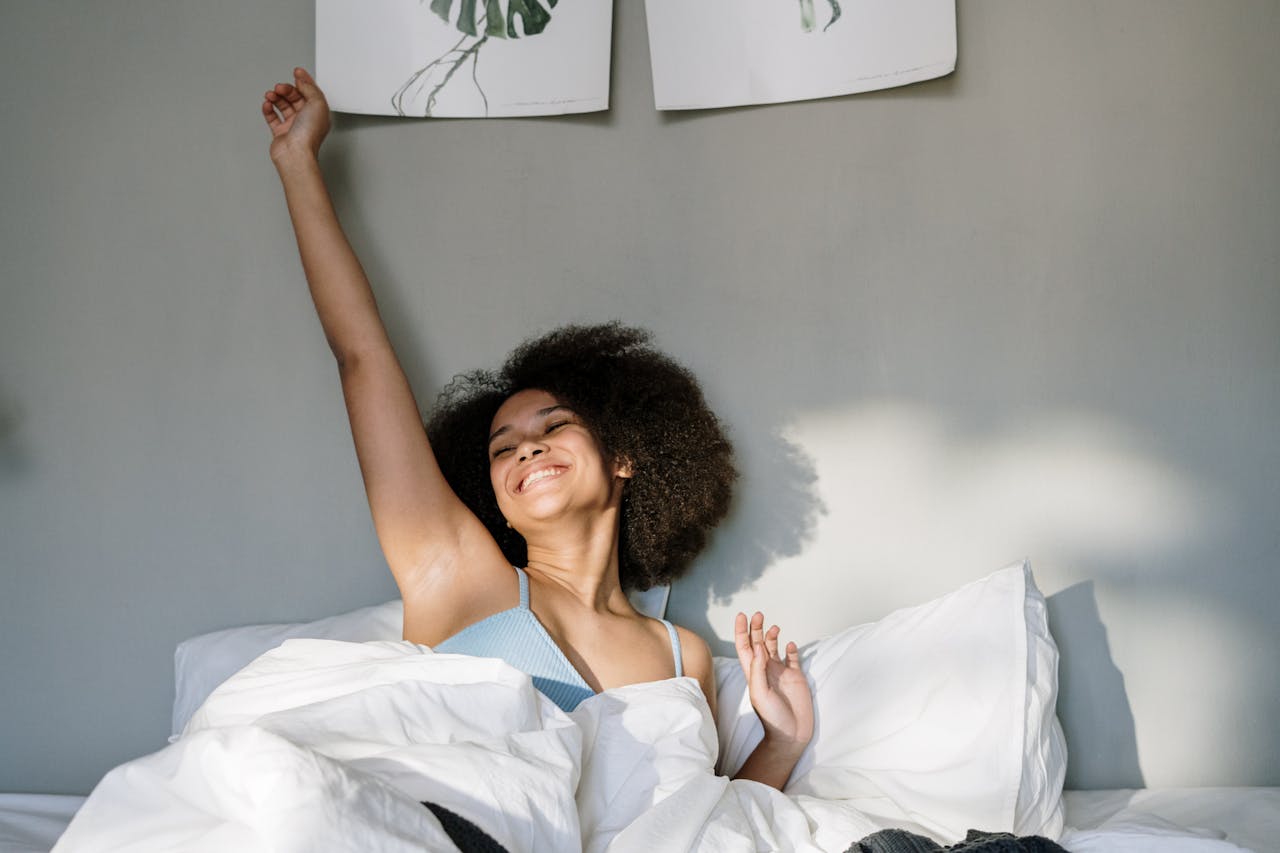
Importantly, holiday sleep doesn’t just extend in duration. (Pexels Photo)
There’s something oddly luxurious about a lie-in. The sun filters through the curtains, the alarm clock is blissfully silent, and your body stays at rest. Yet lie-ins are often treated as indulgences, sometimes framed as laziness or a slippery slope to soft living.
When the holidays arrive and alarm clocks are switched off, or are set later, something else emerges: your body reclaims sleep. Not just more of it, but deeper, richer and more restorative sleep. Anatomically and neurologically, a lie-in might be exactly what your body needs to recover and recalibrate.
Throughout the working year, it’s common to accumulate a chronic sleep debt – a shortfall in the sleep the body biologically needs, night after night. And the body keeps score.
On holiday, freed from early starts and late-night emails, our internal systems seize the opportunity to rebalance. It’s not uncommon to sleep an hour or two longer per night in the first few days away. That’s not laziness; it’s recovery.
Importantly, holiday sleep doesn’t just extend in duration. It shifts in structure. With fewer disturbances and less external pressure, sleep cycles become more regular, and we often experience more slow-wave sleep – the deepest phase, linked to physical healing and immune support.
The body uses this window not only to repair tissue but also to regulate metabolism, dial down inflammation and restore energy reserves.
Our sleep-wake cycle is governed by circadian rhythms, which are controlled by the brain’s master clock – the suprachiasmatic nucleus in the hypothalamus. These rhythms respond to light, temperature and routine. And when we’re overworked or overstimulated, they can drift out of sync with our environment.
A lie-in allows your circadian system to recalibrate, aligning internal time with actual daylight. This re-training leads to more coherent sleep cycles and better daytime alertness.
Holiday lie-ins also owe something to the drop in stress hormones. Cortisol, released by the adrenal glands, follows a diurnal pattern, peaking in the early morning to get us going.
Chronic stress – from work demands, commuting or constant notifications – can raise cortisol levels and disrupt this rhythm. When you take time off, cortisol production normalises. Waking up without a jolt of adrenaline allows the sleep architecture (the pattern of sleep stages) to stabilise, leading to fewer interruptions and more restful nights.
One of the more striking features of holiday sleep is a surge in vivid dreaming – sometimes unsettlingly so. This is because of a phenomenon called REM rebound. When we’re sleep-deprived, the brain suppresses REM (rapid eye movement) sleep to prioritise deep, restorative phases.
Once the pressure lifts – say, during a lazy week in the sun – the brain makes up for lost REM, leading to longer and more intense dream episodes. Far from frivolous, REM sleep is crucial for memory consolidation, mood regulation and cognitive flexibility.
Sleep also affects your body’s structure. When you lie down, your spine gets a break from the constant pressure of gravity. During the day, as you stand and move around, the intervertebral discs – soft, cushion-like pads between the vertebrae – slowly lose fluid and become slightly flatter. A lie-in gives these discs more time to rehydrate and return to their normal shape. That’s why you’re a little taller in the morning – and even more so after a long sleep.
Meanwhile, microtears in muscles, strained ligaments and overworked joints benefit from prolonged periods of cellular repair, especially during deep sleep stages.
Should we all be sleeping in every weekend? Not necessarily. While occasional lie-ins can help with recovery from acute sleep deprivation, habitual oversleeping –especially beyond nine hours a night – can be a red flag. It’s associated in some studies with higher rates of depression, heart disease and early death. Although long sleep might be a symptom, not a cause.
Larks and owls
That said, the occasional lie-in remains anatomically restorative, especially when aligned with your body’s natural chronotype – a biological predisposition that determines when you feel most alert and when you feel naturally inclined to sleep.
Some people are naturally “larks”, who rise early and function best in the morning. Others are “owls”, who tend to feel sleepy late and wake later, with their peak cognitive and physical performance occurring in the afternoon or evening. Many fall somewhere in between.
Chronotype is governed by the same internal circadian system that regulates sleep-wake cycles, and it appears to be strongly influenced by genetics, age and light exposure. Adolescents typically have later chronotypes, while older adults often revert to earlier ones.
Crucially, chronotype doesn’t just affect sleep. It also plays a role in hormone release, body temperature, digestive timing and mental alertness throughout the day.
Conflict arises when social expectations, such as early work or school start times, force people, especially night owls, to adopt sleep-wake schedules that are out of sync with their biology. This mismatch, known as social jetlag, can lead to persistent tiredness, mood changes and even long-term health risks.
So if you find yourself sleeping in until 9 or 10am on the third day of your holiday, don’t berate yourself. Your body is taking the opportunity to repair, replenish and rebalance. The anatomical systems involved – from your brainstem to your adrenal glands, your intervertebral discs to your dream-rich REM phases – are doing what they’re designed to do when finally given the time.
Get your news from actual experts, straight to your inbox. Sign up to our daily newsletter to receive all The Conversation UK’s latest coverage of news and research, from politics and business to the arts and sciences.
Michelle Spear, Professor of Anatomy, University of Bristol
This article is republished from The Conversation under a Creative Commons license. Read the original article.