News
G7 Summit Shifts Focus Amid Global Crises as Trump Exits Early

PCI
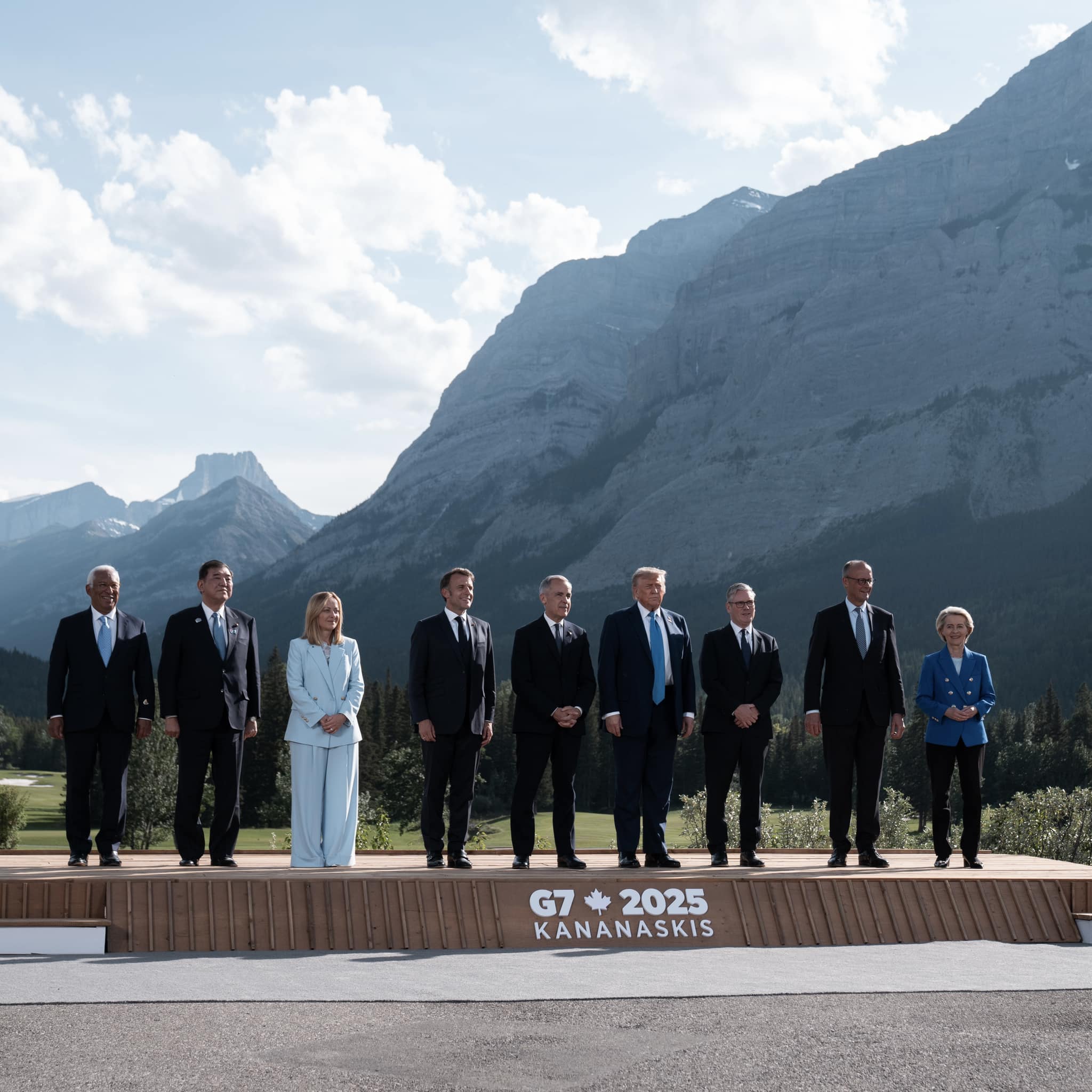
Canadian Prime Minister Mark Carney, chairing the summit, said he “fully understands” Trump’s early departure and remains focused on supporting allies and addressing global threats. (Photo: Mark Carney/Facebook)
The G7 summit took a sharp turn after U.S. President Donald Trump left early to deal with the rising conflict between Israel and Iran. Originally set to stay through Tuesday, Trump departed Monday night, telling reporters, “I have to be back early. I loved it. I tell you, I loved it. And I think we got a lot done.”
Speaking aboard Air Force One, Trump said he wants “a real end, not a ceasefire” to the violence and repeated that “Iran cannot have a nuclear weapons program.”
His absence changes the tone for the second day of meetings, where several world leaders—including Ukraine’s Volodymyr Zelenskyy and India’s Narendra Modi—had hoped for direct talks. While Zelenskyy won’t get one-on-one time with Trump, he is still expected to receive new Canadian military support as part of a $2 billion defense fund. Details are due to be announced shortly.
Canadian Prime Minister Mark Carney, chairing the summit, said he “fully understands” Trump’s early departure and remains focused on supporting allies and addressing global threats.
The summit’s focus has now shifted more heavily toward urgent crises. On Monday night, G7 nations released a joint statement urging a de-escalation in the Middle East, while supporting Israel’s right to defend itself and calling out Iran as “the principal source of regional instability and terror.”
Tensions also remain with India, following past Canadian allegations of Indian state involvement in violence on Canadian soil. Still, Carney is moving ahead with talks aimed at renewing diplomatic and economic ties.
Alongside the G7 members, leaders from countries like Brazil, South Korea, and South Africa joined the talks, reflecting the summit’s broader scope this year.
Though Trump’s early exit was unexpected, the summit continues to tackle a long list of global challenges—proving how quickly events can reshape international priorities.