
Canada News
Canada’s Military Spending Pivot Signals Strategic Shift Beyond NATO Benchmarks

PCI
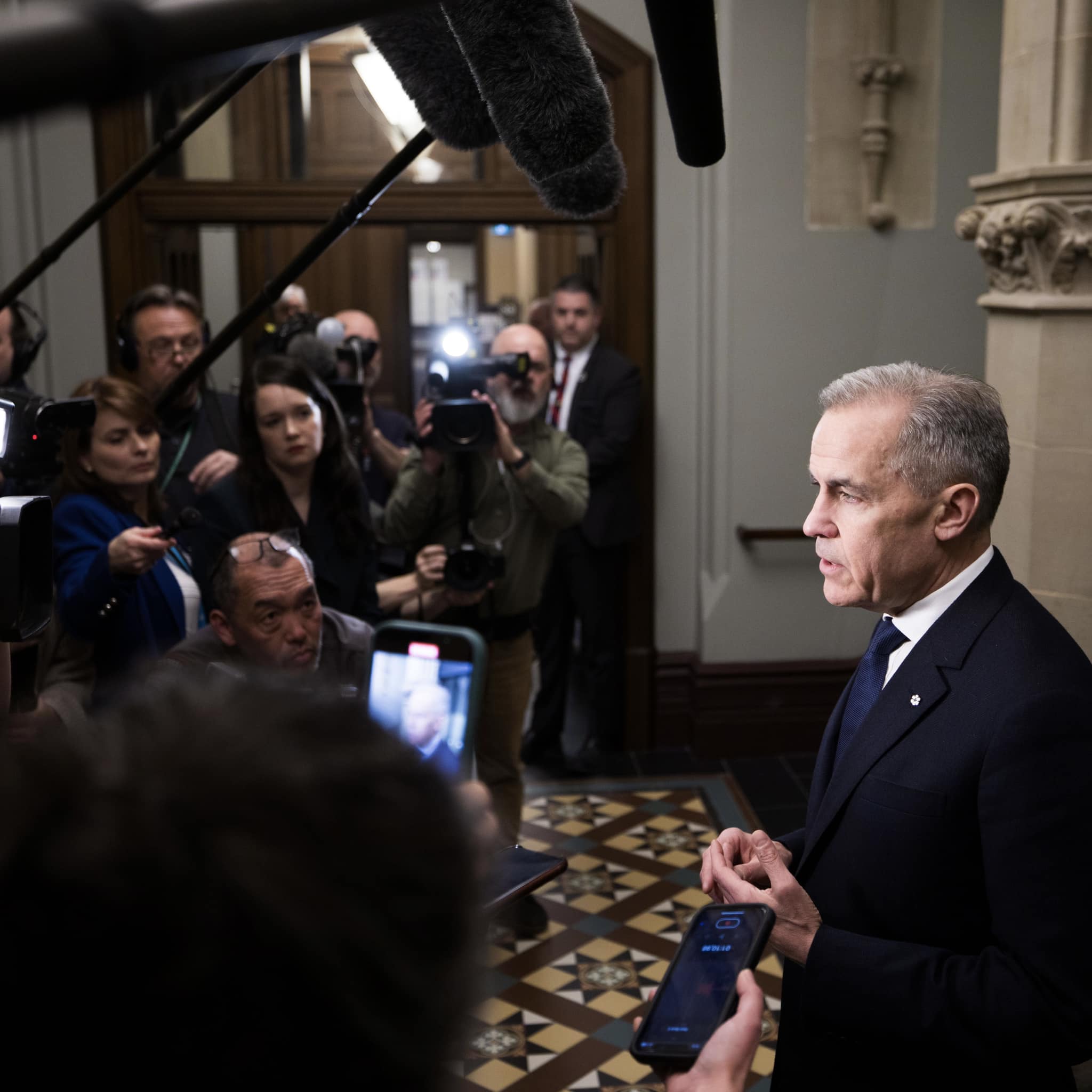
Carney’s remarks highlight a new realism in Canadian foreign policy. (File Photo by Mark Carney/Facebook)
Canada will allocate 2% of its GDP to defense to meet NATO’s target. This change will happen five years earlier than planned. Prime Minister Mark Carney announced this decision in Toronto. This move responds to long-standing pressure from allies and shows Canada’s new role in global defense as the world changes.
“Now is the time to act quickly and with purpose,” Carney said. He emphasized the need to enhance military infrastructure and reduce the country’s reliance on the United States. Many people are concerned that the U.S. is retreating from its traditional security commitments. This change may push Canada to take a more active role in addressing these gaps.
The announcement comes as NATO allies, especially the United States, are urging more fairness in sharing defense responsibilities. With Ottawa’s current defense spending at just 1.4% of GDP, the sudden commitment to increase that figure requires an immediate C$9 billion infusion—allocated toward recruitment, equipment modernization, and strategic defense partnerships.
While U.S. officials welcomed the pledge, some economic analysts expressed concern. “If the government aims to increase defense spending to 3.5% of GDP by 2030, the deficit will only keep increasing,” warned Randall Bartlett, deputy chief economist at Desjardins. The Carney administration has so far ruled out tax increases, indicating a reliance on spending cuts elsewhere to manage the fiscal impact.
This defense escalation also has broader implications. As NATO Secretary General Mark Rutte reportedly advocates for a 5% total security expenditure target, Canada’s move may be seen as a stepping stone toward even more ambitious military commitments. The planned investments include submarines, aircraft, drones, and next-generation surveillance technology—suggesting a long-term shift in posture toward deterrence and autonomous defense capacity.
Carney’s remarks highlight a new realism in Canadian foreign policy. “A new imperialism threatens,” he warned, describing a world where “middle powers compete for interests and attention.” Canada’s accelerated defense buildup appears to be a response not only to NATO expectations but also to a multipolar world, where sitting at the table requires more than diplomacy—it demands readiness.




















