News
State of calamity declaration to expedite rehab of San Juanico Bridge

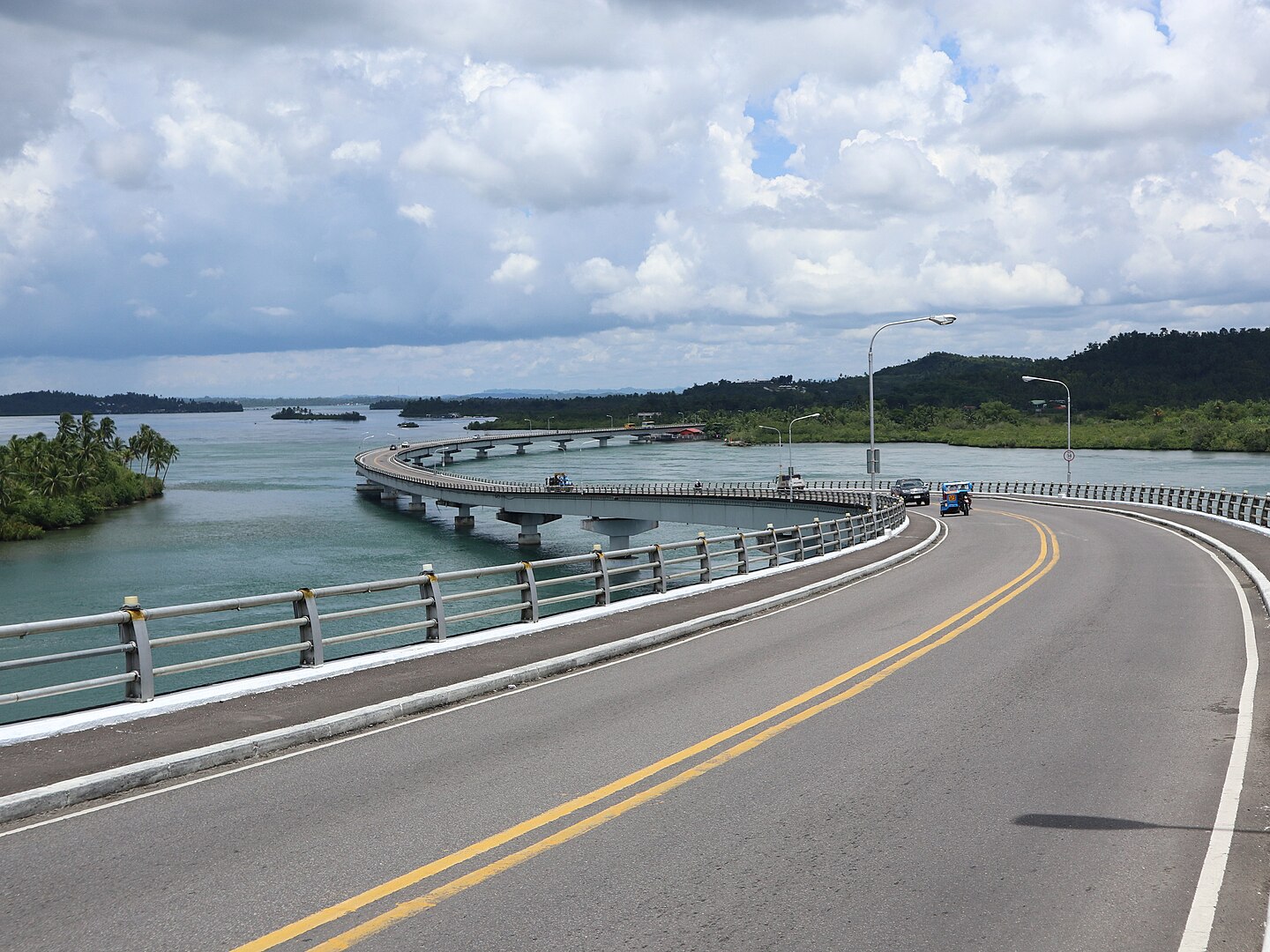
San Juanico Bridge in 2022. (File Photo By Patrickroque01/Wikimedia Commons, CC BY-SA 4.0)
By Priam Nepomuceno, Philippine News Agency
MANILA – The Office of Civil Defense (OCD) on Saturday night said the declaration of a state of calamity in Eastern Visayas is a vital step in addressing the immediate rehabilitation of the San Juanico Bridge and logistical and economic challenges posed by the load restrictions.
This move follows the recommendation of the National Disaster Risk Reduction and Management Council to President Ferdinand R. Marcos Jr. to place the entire region in a state of calamity.
OCD spokesperson Chris Noel Bendijo, in a statement, said the declaration will accelerate the release of essential funds and enable immediate rehabilitation of the San Juanico Bridge to restore vital logistics and public services.
“The sooner that we repair the San Juanico Bridge, the sooner that our commerce, supplies and logistics will be back to normal,” he said.
Bendijo also highlighted that alternative measures have been put in place during the regulated movement on the bridge, including additional roll-on/roll-off vessels, the restoration of old ports, and free transport and passenger support.
“But these may not suffice and we don’t want our suppliers to incur additional costs because this might impact the prices of goods,” he said.
The state of calamity declaration, Bendijo said, will allow the government to access the appropriate funds for the bridge repair.
“We can also fix the other ports for additional options to maintain connectivity between Samar and Leyte,” he said.
Bendijo said they are coordinating with the Department of Trade and Industry, which has imposed a price freeze, to control the costs of basic commodities amid the expected supply chain disruptions.
“We are also looking at subsidizing other expenses to ease the plight of our countrymen and the flow of business,” he said.
The three-ton load limit on the San Juanico Bridge, in effect since May 15, has stranded over 200 vehicles and is projected to cause between PHP300 million and PHP600 million in monthly economic losses.