News
Supreme Court Backs Trump on Migrant Deportations, Leaving Thousands at Risk

PCI
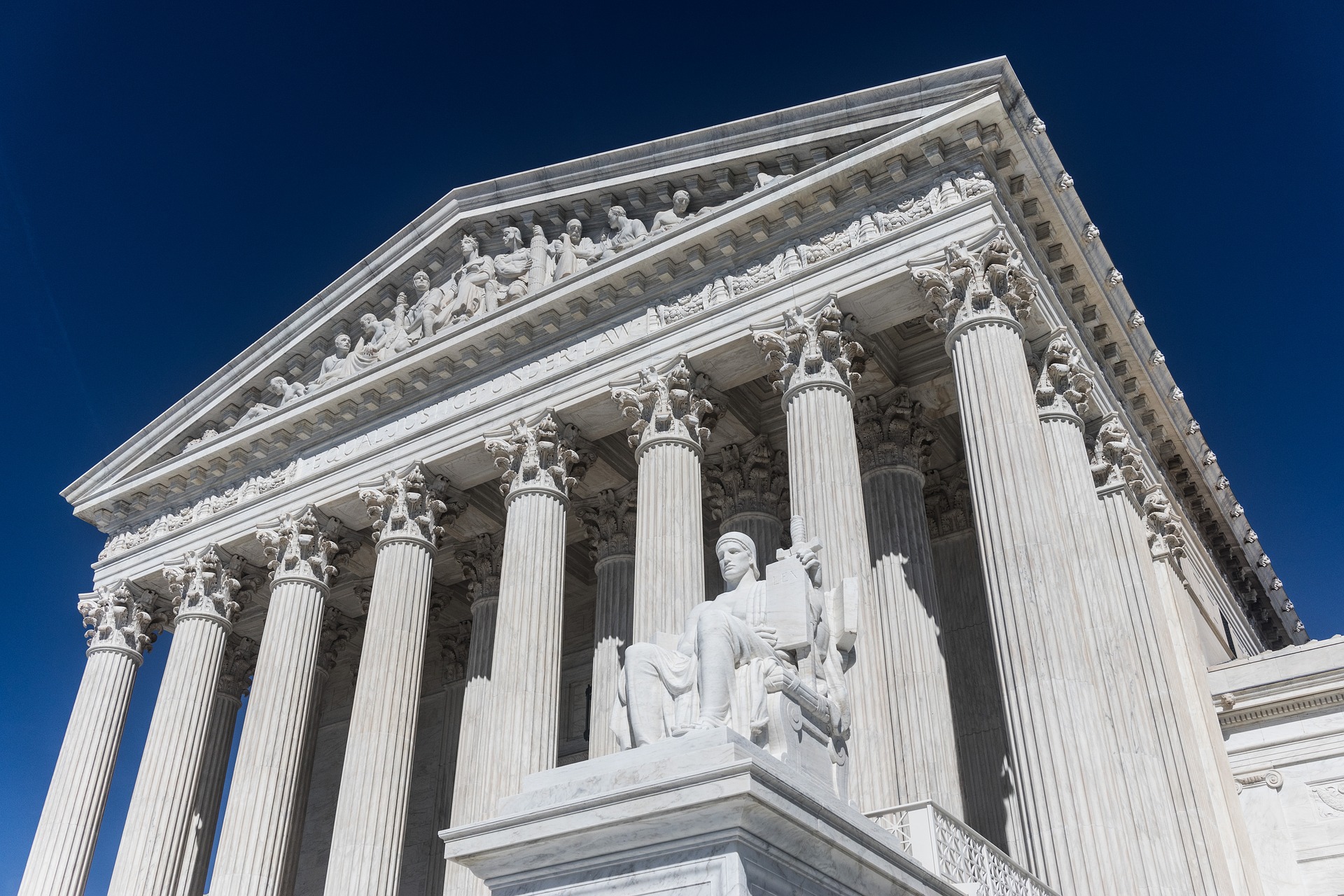
The Supreme Court’s ruling overturned a lower court decision that had paused Trump’s plan. (Pixabay photo)
The U.S. Supreme Court has allowed the Trump administration to end temporary legal protections for over 500,000 migrants from Venezuela, Cuba, Haiti, and Nicaragua. This decision makes it easier to deport these migrants more quickly, even as legal disputes continue.
These migrants received “immigration parole” from President Joe Biden, which allows them to stay and work in the U.S. for two years. Biden expanded this program to help reduce illegal border crossings. It provides legal entry to those who pass security checks and have a sponsor.
Trump, on his first day back in office, ordered an end to these programs. His administration argues that revoking parole makes it easier to place migrants into “expedited removal,” a quick deportation process that skips standard court hearings.
The Supreme Court’s ruling overturned a lower court decision that had paused Trump’s plan. The high court did not explain its decision, but two liberal justices, Sonia Sotomayor and Ketanji Brown Jackson, disagreed. Jackson warned the ruling “undervalues the devastating consequences” for migrants with pending legal claims.
Advocates say the decision could cause chaos for thousands of families. Guerline Jozef, head of the Haitian Bridge Alliance, said the administration is “taking away their status and rendering them undocumented.” Karen Tumlin of the Justice Action Center added it will hurt not only the migrants but also their “families, their workplaces, and their communities.”
In a separate move, the Trump administration has already used a centuries-old law, the Alien Enemies Act, to deport some Venezuelans accused of gang ties—avoiding normal immigration courts. Legal experts say this may lead to more quick and severe measures.
While court cases about these policies are ongoing, many migrants in the U.S. face uncertainty as changes in politics and law continue to affect the country’s immigration system.