Canada News
Wildfires Force Saskatchewan to Declare State of Emergency

PCI
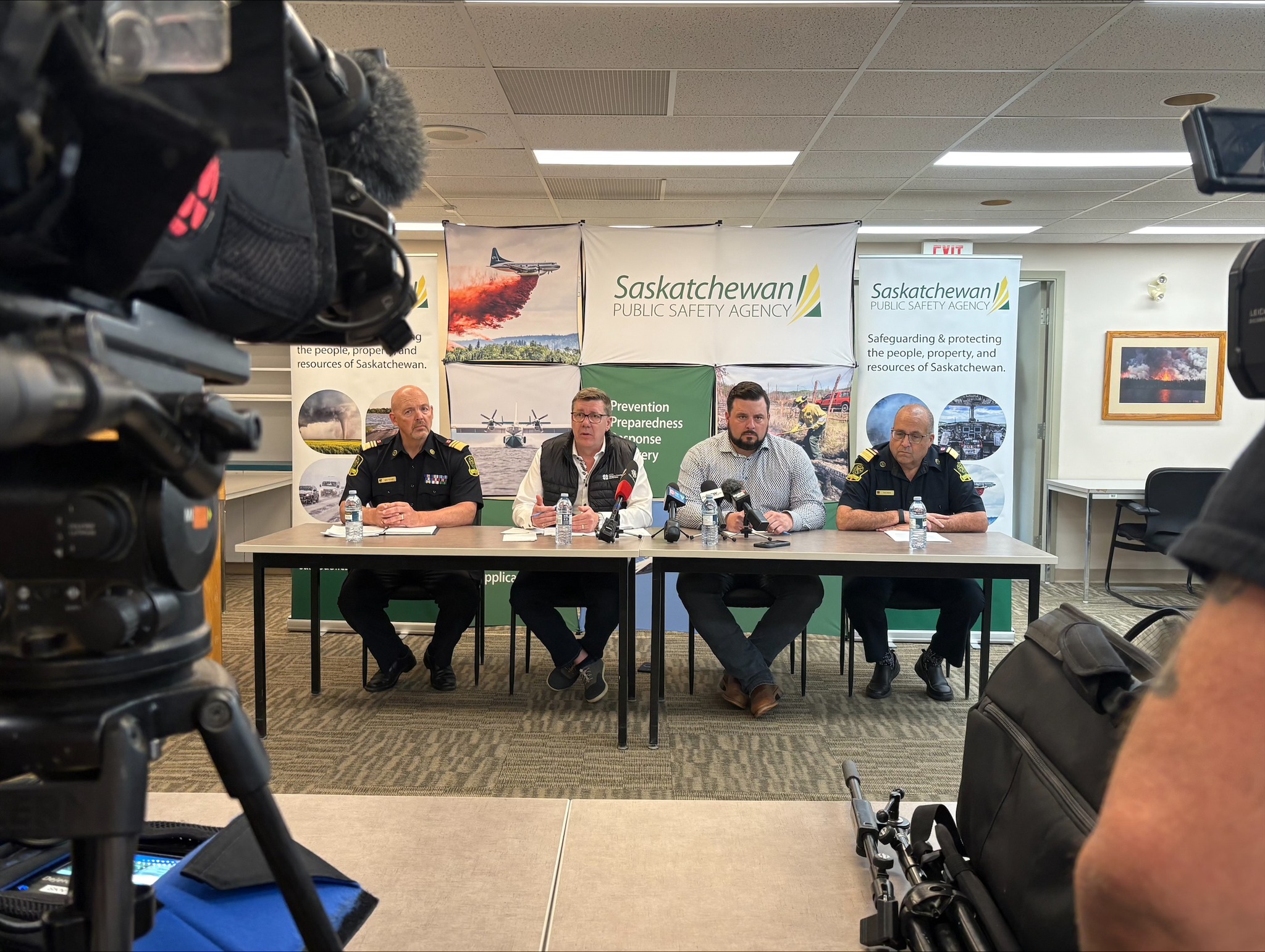
FILE: Today, we declared a provincewide state of emergency as wildfires threaten our communities and have already forced thousands of our residents from their homes. (Photo: Scott Moe/Facebook)
Saskatchewan has declared a provincewide state of emergency as wildfires continue to burn across the north, forcing thousands to evacuate their homes. Premier Scott Moe made the announcement Thursday in Prince Albert, saying the situation is “severe” and urgent help is needed.
The largest fire, known as the Shoe fire, has already grown to over 300,000 hectares and is threatening several communities, including Candle Lake and East Trout Lake. Officials say it’s a “Category 6” fire — the highest and most dangerous level.
The state of emergency will last for at least 14 days and can be extended. It gives the province more power to bring in outside help and resources. Daily updates will now be provided by the Saskatchewan Public Safety Agency (SPSA).
Three northern First Nations — Lac La Ronge Indian Band, Peter Ballantyne Cree Nation, and Montreal Lake Cree Nation — had already declared their emergency.
Leaders say they are running out of firefighting crews, equipment, and air support. “This situation is beyond our capacity to manage alone,” said Chief Peter Beatty.
Grand Chief Brian Hardlotte stressed that protecting lives is the top priority and called for immediate help from both provincial and federal governments.
Many residents have been affected. Nathan Pitka, who evacuated from East Trout Lake, believes his family’s cabin was lost in the fire. “We’re watching communities burn in real-time,” he said after writing a letter to the premier asking for more action.
As of Wednesday, 19 wildfires were burning across the province, and nine were out of control. Saskatchewan has brought in water bombers from Alaska and Quebec and is seeking additional assistance.
Opposition leaders are also pressing for stronger action and more transparent communication to ensure people’s safety. The emergency response is now in full motion — but with no rain in the forecast, the fight is far from over.