By Piers Eaton, L’Université d’Ottawa/University of Ottawa, The Conversation
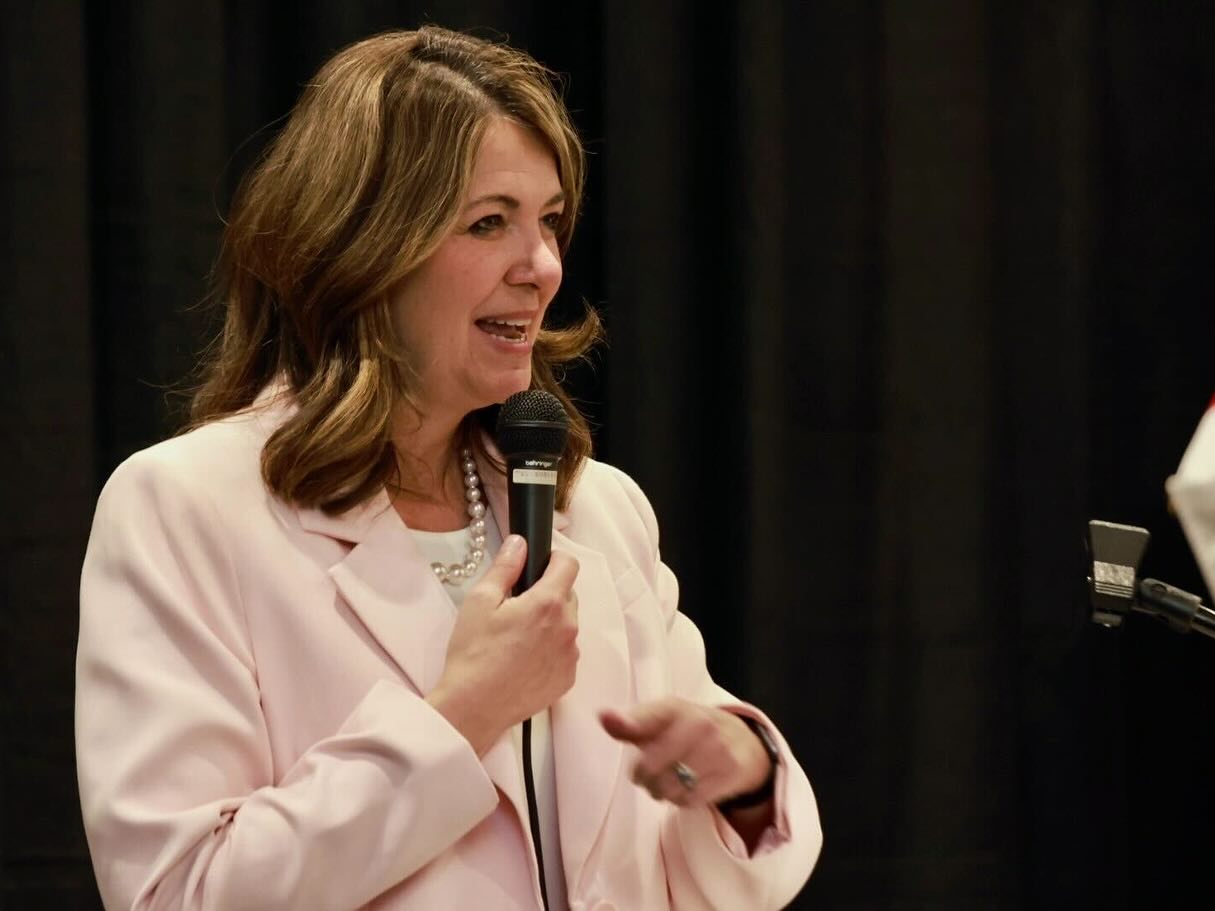
One day after the Liberal Party secured their fourth consecutive federal election victory, Alberta Premier Danielle Smith tabled legislation to change the signature threshold needed to put citizen-proposed constitutional questions on the ballot. She lowered it from the current 600,000 signatures to 177,000.
Since the pro-independence Alberta Prosperity Project already claims to have 240,000 pledges in support of an Albertan sovereignty referendum, the change clears a path to a separation referendum.
In 2014, Scottish voters went to the polls on a similar question to the one proposed by the Alberta Prosperity Project, but asking voters whether they wanted to regain their independence from Britain. Although the Scottish “Yes” campaign was defeated, it garnered 45 per cent of the vote, far exceeding what most thought was possible at the start of the campaign.
The 2014 Scottish referendum injected a huge amount of enthusiasm into the Scottish separatist parties, with the largest, the Scottish National Party (SNP) — which led the fight for the Yes side — soaring from 20,000 members in 2013 to more than 100,000 months after the referendum.
While the Yes campaign did not achieve its goals and the Scottish historical context is very different from Alberta’s, there are still important lessons about how people can be won over to the cause of independence. Albertan separatists don’t seem to be heading down the same path.
Timeline
Smith has suggested that if the necessary signatures were collected, that she would aim to hold a referendum in 2026. But the Alberta Prosperity Project’s Jeffrey Rath suggested the group would push Smith to allow a referendum before the end of 2025, giving the referendum a maximum of seven months of official campaigning.
The broad ground rules of the Scottish referendum were established in the Edinburgh Agreement in October 2012. On March 2013, the SNP-led Scottish government announced the date of the independence referendum — Sept. 18, 2014. The long campaign period allowed a wide variety of grassroots campaign groups to organize in favour of independence.
While Alberta separatism is less likely to be buoyed by artist collectives and Green Party activists like Scottish independence was, a longer independence campaign would allow a variety of members of Albertan society to make the case for independence.
Dennis Modry, a co-leader of the Alberta Prosperity Project, recently told CBC News that the initial signature threshold of 600,000 was not all bad, as it would “get (us) closer to the referendum plurality as well.” That remark suggested Modry sees value having more time to campaign before a referendum is held.
In this regard, he and Rath seem to be sounding different notes.
Leadership
Hints that the Alberta Prosperity Project is already divided raises broader questions of leadership. In 2014, the Scottish Yes side had a clear and undisputed leader — First Minister Alex Salmond, head of the SNP.
The late Salmond led the SNP to back-to-back electoral victories in Scotland, including the only outright majority ever won in the history of the Scottish parliament in 2011.
Salmond was able to speak in favour of independence in debates and to answer, with democratic legitimacy, specific questions about what the initial policy of an independent Scotland would be.
The SNP government published a report, Scotland’s Future, that systematically sought to assuage skeptics. Its “frequently asked questions” (FAQ) section answered 650 potential questions about independence. The Alberta Prosperity Project, on the other hand, only answers 74 questions in its FAQ.
Whereas Salmon’s rise to the leadership of the Scottish independence movement was done in full public view and according to party rules, the Alberta Prosperity Project’s leadership structure is far murkier.
The organization claims there “is no prima facie leader of the APP, but there (is) a management team which is featured on the website https://albertaprosperityproject.com/about-us/.” Follow that link, however, and no names or management structures are listed.
Clarity and democracy
While independence always involves some unknowns, clear leadership can provide answers about where a newly independent nation might find stability. The Yes Scotland campaign promised independence within Europe, meaning Scotland would retain access to the European Union’s common market.
By contrast, the Alberta Prosperity Project isn’t clear on the fundamental question of whether a sovereign Alberta should remain independent or attempt to join the United States as its 51st state.
Despite the claim on its website that “the objective of the Alberta Prosperity Project is for Alberta to become a sovereign nation, not the 51st state of the USA,” the organization backed Rath’s recent trip to Washington, D.C. to gauge support for Albertan integration into the U.S.
Rath has also said that becoming a U.S. territory is “probably the best way to go.”
The 2014 referendum in Scotland was called a “festival of democracy”, and even anti-independence forces agreed the referendum had been good for democracy.
It took time and leadership to put forward a positive case for independence, one that voters could decide upon with confidence.
Alberta could learn from Scotland and strengthen its democracy by holding a referendum based on legitimate leadership, reasonable timelines, diverse voices and clear aims. Or it could lurch into a rushed campaign, with divided leaders of dubious legitimacy, arguing for unclear outcomes — and end up, no matter which side wins, weakening its democracy in the process.
Piers Eaton, PhD Candidate in Political Science, L’Université d’Ottawa/University of Ottawa
This article is republished from The Conversation under a Creative Commons license. Read the original article.