By Avinash Chandra, Queen Mary University of London, The Conversation
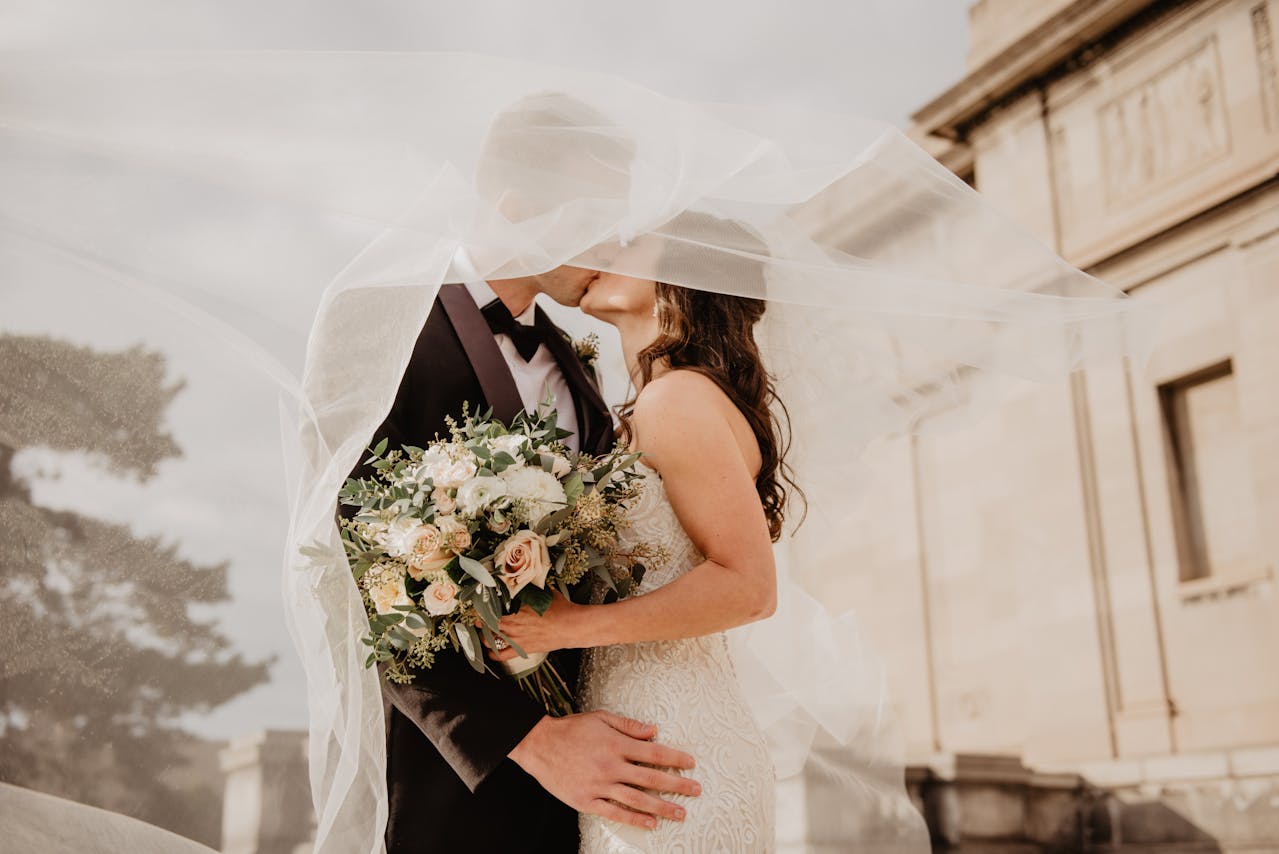
At first, it looked as though all three unmarried groups had a reduced risk of dementia compared with the married group. (Pexels Photo)
Would you believe me if I told you that staying single or ending your marriage could lower your odds of getting dementia? A new study led by researchers at Florida State University somewhat shockingly suggests that unmarried people are less likely to develop dementia.
If you think you’ve heard the opposite, you are correct. A 2019 study from America found that unmarried people had “significantly higher odds of developing dementia over the study period than their married counterparts”.
Indeed, married people are generally thought to have better health. Studies have shown that they are at reduced risk of having heart disease and stroke and they tend to live longer. So why did the new study come up with this surprising finding? Let’s take a closer look.
The researchers analysed data from more than 24,000 Americans without dementia at the start of the study. Participants were tracked for up to 18 years. Crucially, the team compared dementia rates across marital groups: married, divorced, widowed and never-married.
At first, it looked as though all three unmarried groups had a reduced risk of dementia compared with the married group. But, after accounting for other factors that could influence the results such as smoking and depression, only divorced and never-married people had a lower risk of dementia.
Differences were also seen depending on the type of dementia. For example, being unmarried was consistently linked with a lower risk of Alzheimer’s disease, the most common form of dementia. But it was not shown for vascular dementia – a rarer form of the condition.
The researchers also found that divorced or never-married people were less likely to progress from mild cognitive impairment to dementia and that people who became widowed during the study had a lower risk of dementia.
Possible explanations
One reason for the unexpected results? Married people might be diagnosed earlier because they have spouses who notice memory problems and push for a doctor’s visit. This could make dementia look more common in married people – even if it’s not.
This is called ascertainment bias — when data is skewed because of who gets diagnosed or noticed more easily. However, the evidence of this was not strong. All participants had annual visits from a doctor, who could be thought of as a proxy partner who would spot early signs of dementia in the participant.
Perhaps it was the case that the sample of people used, from the National Alzheimer’s Coordinating Center (NACC) study, was not representative of the wider population. Specifically, the sample showed low levels of ethnic and income diversity. Also, nearly 64% of the participants were married. This may affect how these unexpected findings translate to the wider world. They could just have been unique to NACC participants.
However, it is more likely that these findings highlight just how complex the effects of marital disruptions, transitions and choices on brain health really are. Being married is by no means an established protective factor for dementia, with an earlier meta-analysis (a study of studies) showing mixed results.
The new study from Florida State University uses one of the biggest samples to date to examine this issue, and carries a good deal of weight. It highlights that assumptions based on previous research that widowhood and divorce are very stressful life events that can trigger Alzheimer’s disease or that unmarried people are socially isolated and therefore may be at higher risk of dementia, may not always be correct.
Relationship dynamics are by no means straightforward. As mentioned in the paper, such dynamics may “provide a more nuanced understanding than a simple binary effect”. Factors such as marriage quality, levels of satisfaction after divorce, cultural considerations, or the sociability of single people compared with coupled ones may help explain these seemingly contradictory results.
This study challenges the idea that marriage is automatically good for brain health. Instead, it suggests the effect of relationships on dementia is far more complex. What matters might not be your relationship status but how supported, connected and fulfilled you feel.
Avinash Chandra, Postdoctoral Researcher, Neurology, Queen Mary University of London
This article is republished from The Conversation under a Creative Commons license. Read the original article.