Canada News
Carney Calls Snap Election to Face Voters Amid Growing Tensions

PCI
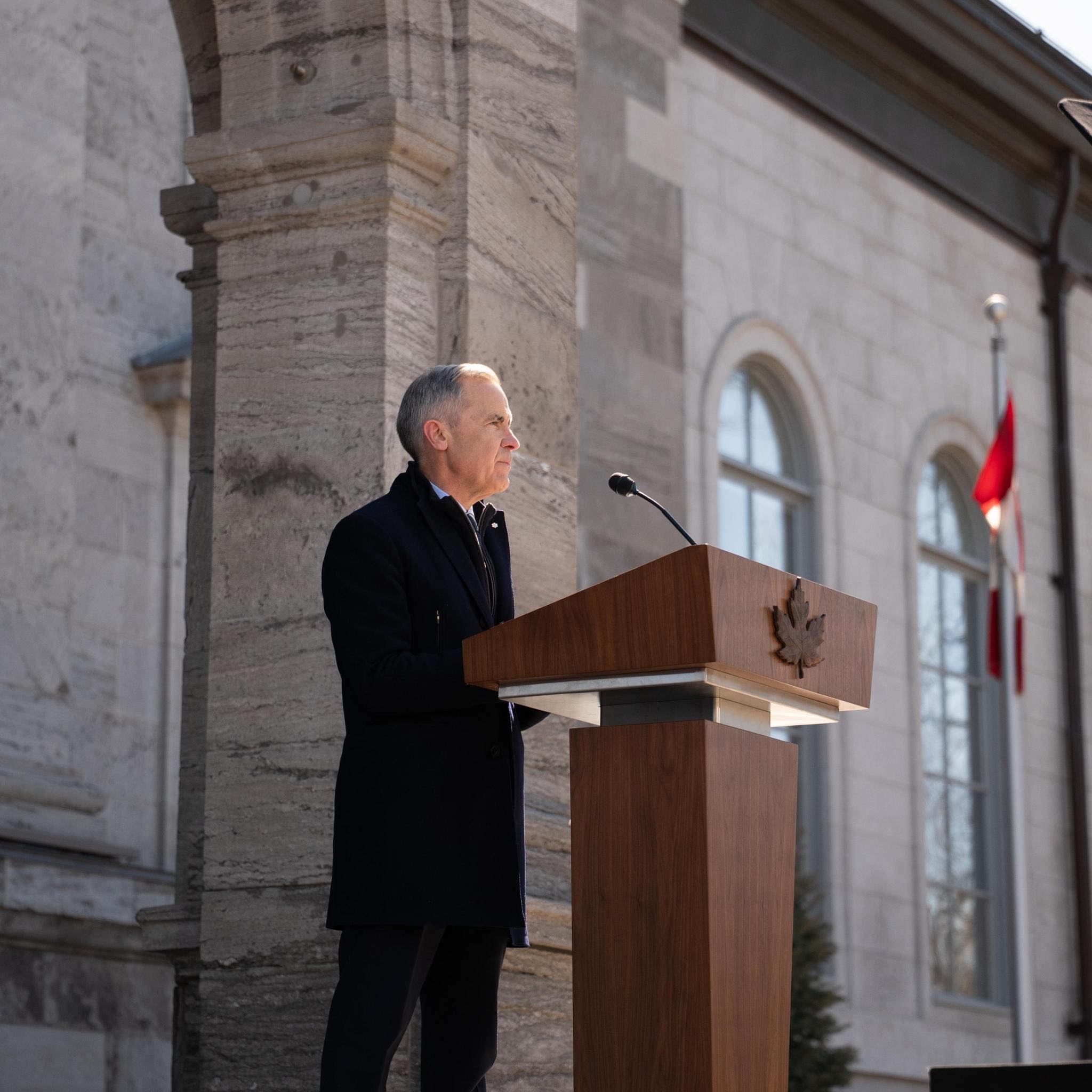
Mark Carney said he would not give in to Trump’s demands. (File Photo: Mark Carney/Facebook)
Canada will hold a snap election on April 28, nine days after Mark Carney became the prime minister. He took over after Justin Trudeau resigned. Carney has never been a member of parliament before and is stepping into this role during rising tensions with the U.S. and concerns about Canada’s economic future.
The main issue in this election was the trade conflict with the U.S. This conflict started when former President Donald Trump placed tariffs on Canadian goods, which worried many about the economy. Mark Carney said he would not give in to Trump’s demands. At a campaign rally in St. John’s, Newfoundland, Carney declared, “In this trade war, just like in hockey, we will win,” showing his commitment to protecting Canada’s interests. Some people question Carney’s ability to handle domestic politics since he does not have political experience.
His main opponent is Pierre Poilievre, the leader of the Conservative Party. During the campaign, Poilievre attacked the Liberal Party. He says that under Trudeau and now Carney, the Liberals have harmed the country. He believes their policies ignore important issues like resource development, military spending, and immigration. He argues that Carney will repeat past mistakes and thinks he is a better option than the current leadership.
Many Canadians worry about the rising cost of living, a significant issue in the election. Families feel stressed by inflation and high housing prices, making the economy a key topic in the campaign. Poilievre addresses these worries by saying Canada should be more self-reliant. His message connects with people who feel the country is losing its economic independence.
The election features four main political parties: the Liberals, Conservatives, New Democrats (NDP), and Bloc Québécois. The Green Party and the People’s Party of Canada are also running, but they are not expected to make a big difference. NDP leader Jagmeet Singh criticizes Carney and Poilievre for helping the wealthy and ignoring everyday Canadians. Singh wants to improve healthcare, support workers’ rights, and reduce economic inequality.
The Bloc Québécois, led by Yves-François Blanchet, focuses on the needs of different areas in Quebec. They want to protect key industries like aluminum, dairy, and lumber, which have suffered from U.S. tariffs. Blanchet argues that his party defends Quebec’s economic independence against Trump’s trade policies.
Canada is at an important moment with only five weeks until the election. This election will choose the country’s next leader and affect its relationship with the U.S. It will also influence the economy for many years. Important issues like trade, sovereignty, and the economy will likely shape Canadian politics for a long time.