News
Escudero: No Palace influence in Senate probe on Duterte’s arrest

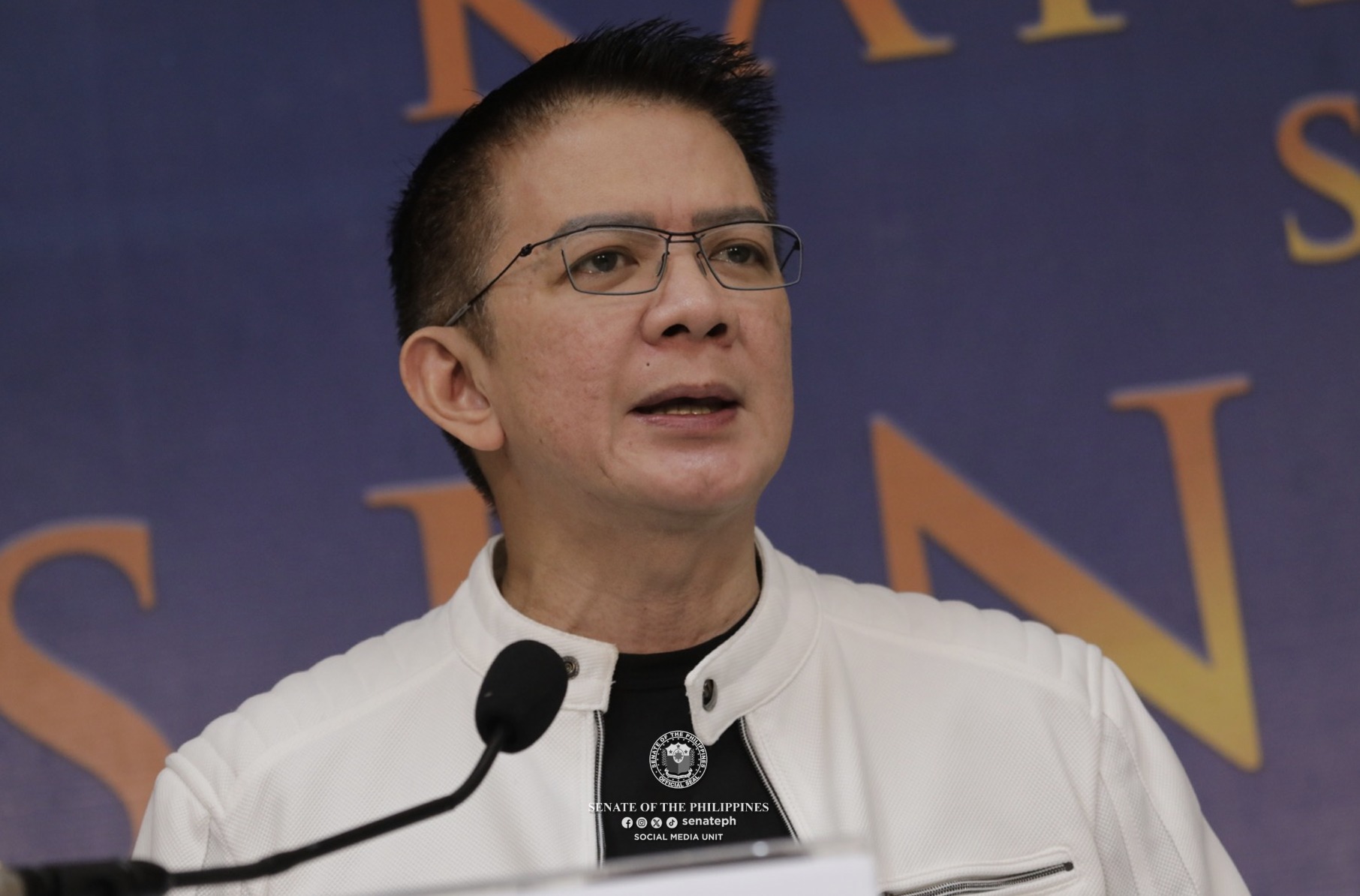
Escudero made the statement after confirming to reporters that Malacañang wrote to his office reminding the Senate that Cabinet members could invoke their executive privilege when asked during a public inquiry. (File Photo: Senate of the Philippines/Facebook)
By Wilnard Bacelonia, Philippine News Agency
MANILA – Senate President Francis Escudero on Monday denied alleged coordination with Malacañang prior to the chamber’s probe on former president Rodrigo Duterte’s arrest.
“Hindi, at hindi kami nagkausap kaugnay niyan. Sa katunayan, winelcome nga ng Palasyo yung pagdinig hindi ba? Bilang pagkakataon para maipaliwanag nila yung kanilang posisyon at mailabas ang ilang mga paglilinaw (No, and we didn’t talk about that. In fact, the Palace welcomed the hearing, right? As an opportunity for them to explain their position and issue some clarifications),” Escudero said in press briefing.
He said the hearing also became a venue for the Palace to clarify that no criminal charges have been filed against Duterte in the Philippines and that a copy of his warrant of arrest was, in fact, shown, even though it was not required by court rules.
Escudero made the statement after confirming to reporters that Malacañang wrote to his office reminding the Senate that Cabinet members could invoke their executive privilege when asked during a public inquiry.
Escudero said the letter from the Office of the Executive Secretary cited the 2006 Supreme Court decision on Executive Order 464, which upheld the legality of executive privilege during legislative inquiries.
The letter dated March 20, obtained by the Senate President’s office and addressed to both Escudero and Senator Imee Marcos, read in part:
“In light of recent developments and in accordance with the Supreme Court ruling on EO 464, we are invoking executive privilege as it pertains to questions that involve presidential communications and national security considerations. This privilege is not intended to obstruct the Senate’s legislative inquiry but to preserve the integrity of the President’s deliberative process. We trust that this invocation will be respected in accordance with the existing jurisprudence.”
“I believe this was used once or twice depending on the question asked by Senator Marcos,” Escudero said.
Escudero also stood by his long-held position that executive privilege cannot be broadly used as an excuse “to avoid Senate inquiries.”
“Ang posisyon ko kaugnay ng executive privilege, hindi ito pwedeng gamitin bilang isang blanket privilege. Ito’y pwedeng i-invoke lamang kapag ang tanong will tend to involve or include executive privilege. Hindi ‘yan rason para hindi dumalo o mag-attend ng pagdinig (My position on executive privilege is that it cannot be used as a blanket privilege. It can only be invoked when the question will tend to involve or include executive privilege. That is not a reason not to attend a hearing),” he said.