Health
Stem cell therapy shows promise in treating spinal cord injuries

WAM, Philippine News Agency
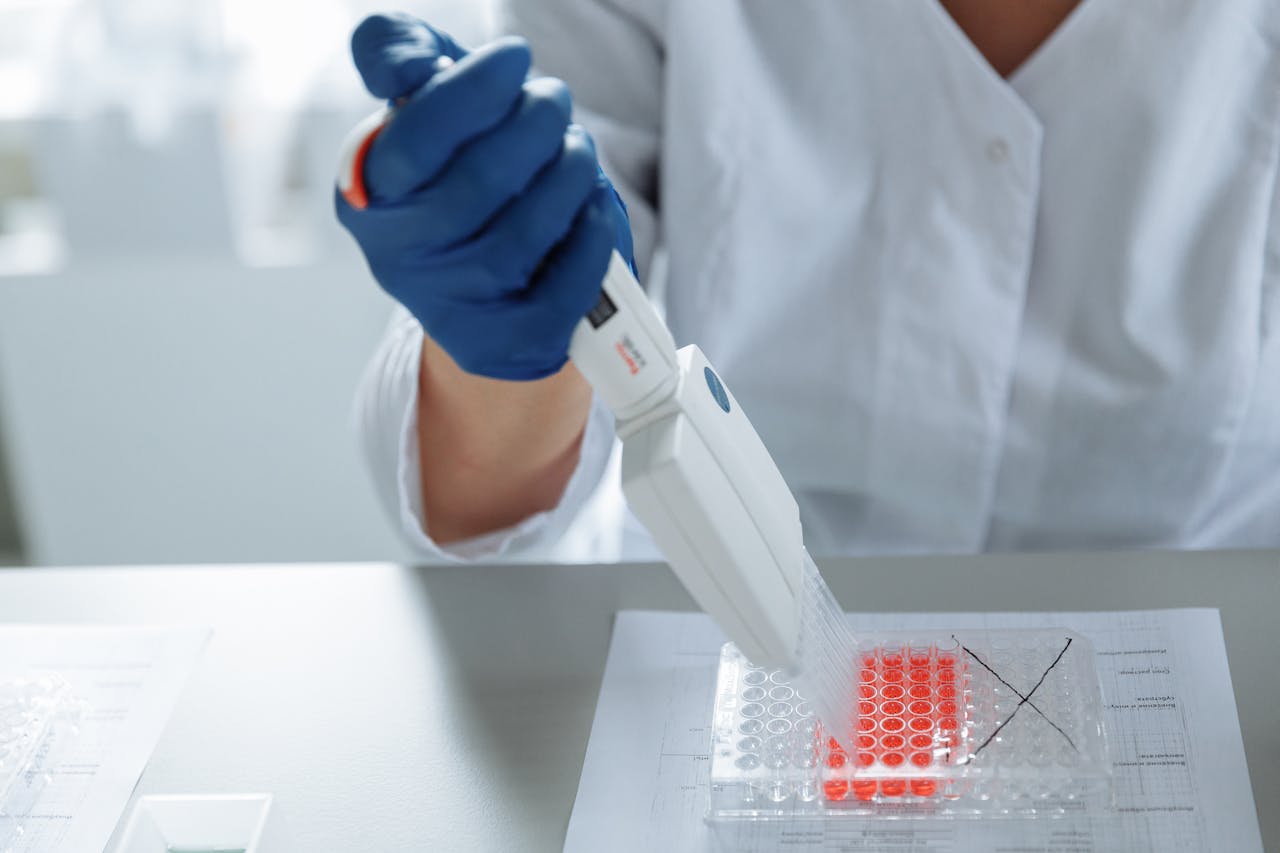
As part of the clinical study, the researchers transplanted 2 million iPSC-derived cells into each of the four patients, all of whom had lost movement and sensation due to their injuries. (Pexels Photo)
TOKYO – A team of Japanese researchers reports that two out of four patients who received stem cell transplants showed improvements in motor function, marking a potential breakthrough in the treatment of spinal cord injuries.
The team, from Keio University and other institutions, announced that this was the first instance worldwide where cells derived from induced pluripotent stem cells (iPSCs) helped alleviate symptoms in spinal cord injury patients.
As part of the clinical study, the researchers transplanted 2 million iPSC-derived cells into each of the four patients, all of whom had lost movement and sensation due to their injuries.
Their motor function was evaluated one year after the procedure.
One elderly man, who had been injured in an accident, was able to stand without support and began practicing walking. His motor function score improved from A—the lowest rank—to D on a scale from A to E.
Another patient’s score rose by two levels, from A to C. Though still unable to stand, the patient regained enough dexterity to eat without assistance. The remaining two participants showed no significant improvement in motor function.
The researchers noted that none of the patients experienced serious health complications.
While some individuals with spinal cord injuries regain limited function through rehabilitation, only about 10 percent see an improvement of two levels from the lowest rank. The researchers believe this is the first documented case of iPSC therapy achieving such a result.
In Japan, approximately 5,000 new cases of spinal cord injury occur annually. The research team plans to conduct further clinical trials to seek government approval for the treatment. (WAM)