Canada News
Surge of U.S. Produce Floods Food Banks as Trade Tensions Rise

PCI
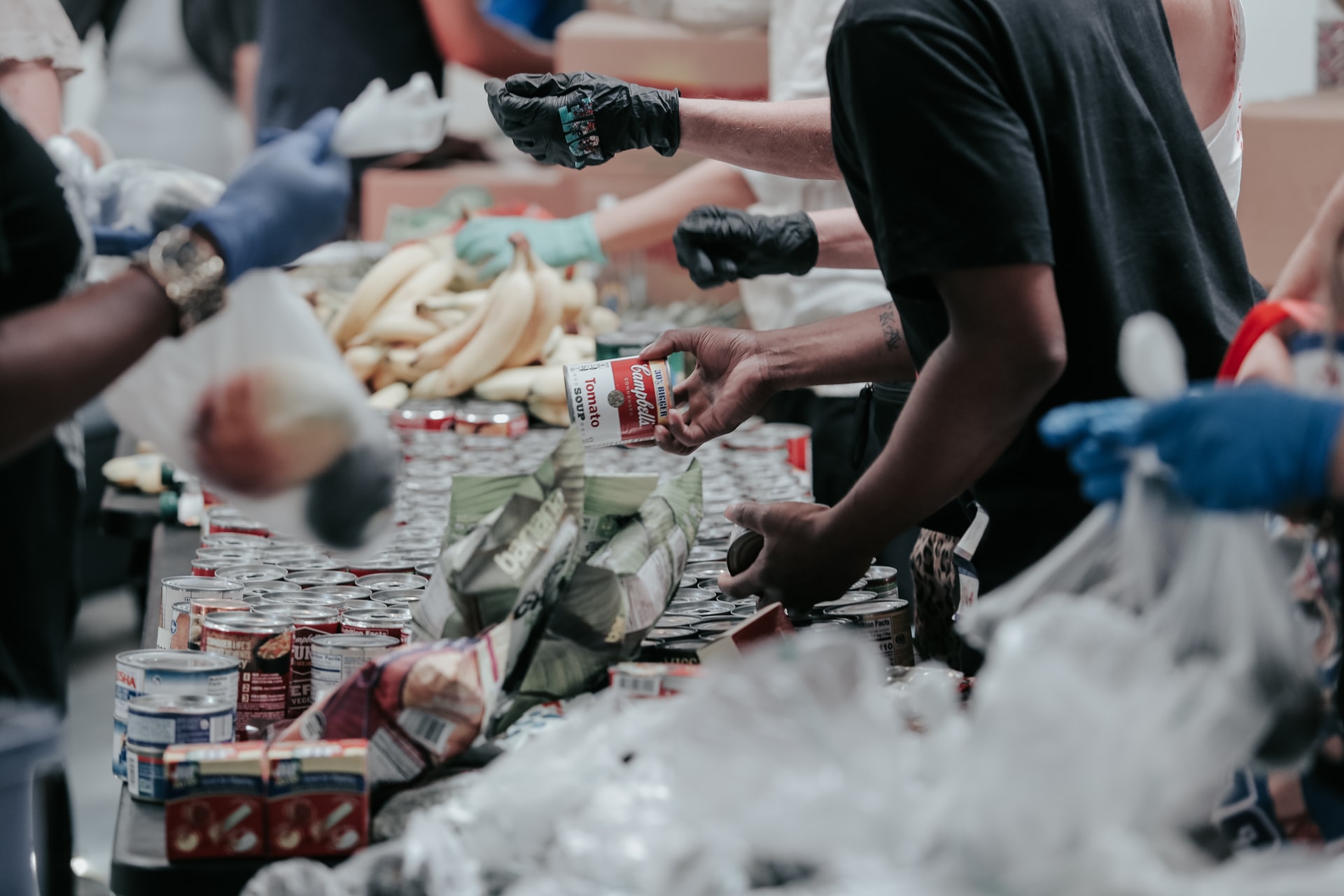
In the coming months, tariffs will make food more expensive for Canadians, which could lead to more people relying on food banks. (File photo: Joel Muniz/Unsplash)
The ongoing trade tension between Canada and the United States has inadvertently led to a temporary influx of American produce at food banks, benefiting organizations like Loaves & Fishes Community Food Bank in Nanaimo, B.C. This unexpected boon comes from surplus goods from grocery stores and wholesalers that are part of a food recovery program. Food donations, such as cauliflower and lettuce, have helped the food bank meet the increasing demand during this challenging economic period. This extra support is helpful now, but it raises concerns about how trade tariffs might impact Canadian consumers in the future.
Peter Sinclair, the executive director of Loaves & Fishes, says they usually do not track where their donations come from. Recently, the amount of produce from the U.S. increased to about 300 to 400 kilograms over five weeks. This happened likely due to expected tariffs between Canada and the U.S. As a result, Canadian consumers started to prefer domestic products to American ones. Retailers will need to change their strategies to meet these new preferences. This shift will likely reduce the extra supply of U.S. produce.
The recent increase in the U.S. food supply has raised concerns about food affordability in Canada. Dan Huang-Taylor, executive director of Food Banks B.C., points out that many U.S. products are marked down in grocery stores due to low demand, indicating that Canadian consumers may be more hesitant about purchasing American goods. Food banks have provided temporary help to some families. However, Huang-Taylor warns that trade tariffs may raise food prices in the future. This could put more pressure on families already dealing with rising living costs.
In the coming months, tariffs will make food more expensive for Canadians, which could lead to more people relying on food banks. Consumers and food aid programs will face new challenges as the economy changes. It is important to ensure food security during times of political and economic instability.