News
Remulla Clarifies Philippines’ Position on ICC Jurisdiction

PCI
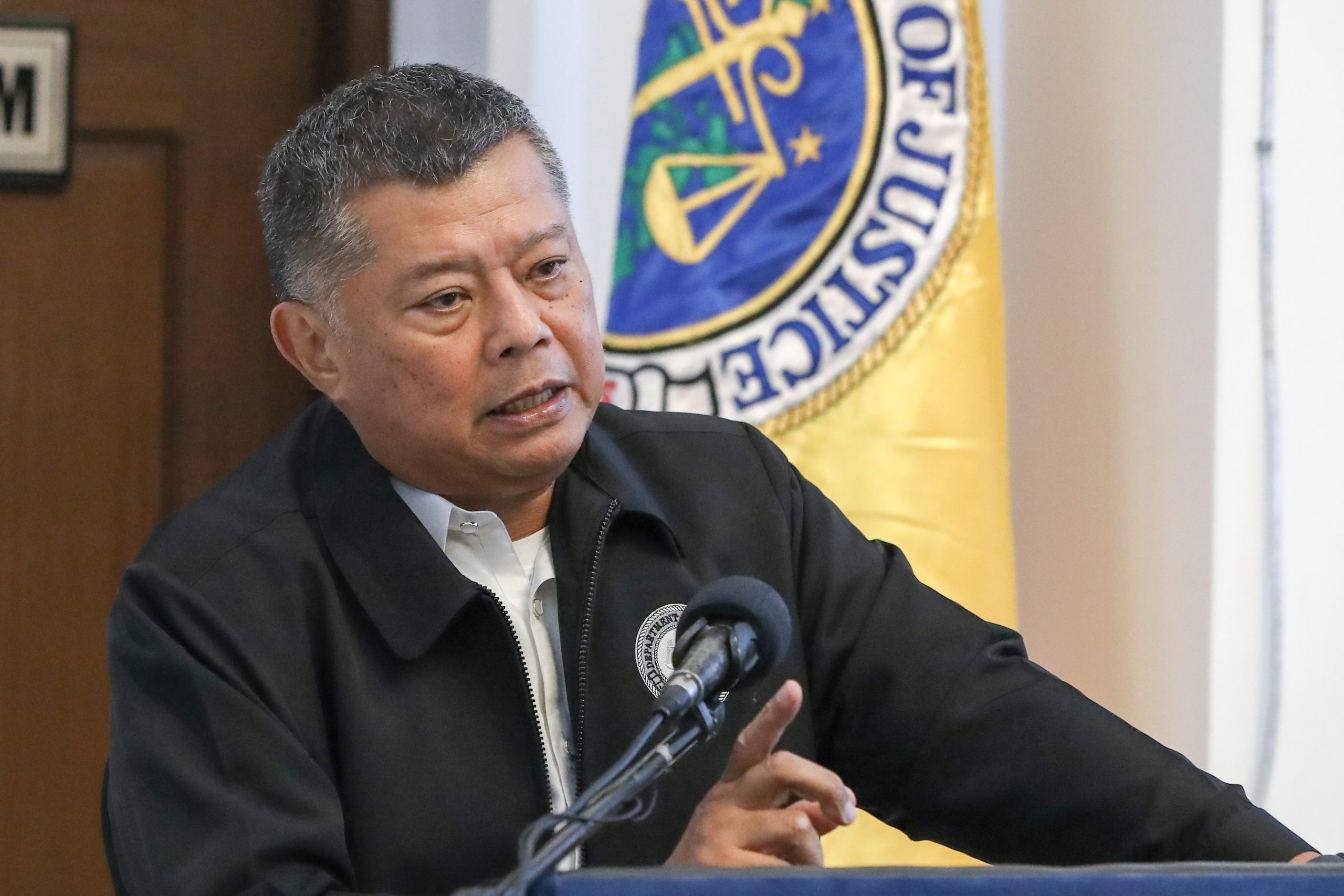
Remulla highlighted the Philippines’ Republic Act No.
9851, which helps the Philippines follow international humanitarian law.
(PNA file photo by Yancy Lim)
The debate about the International Criminal Court’s (ICC) power over the Philippines came up again this week. Justice Secretary Jesus Crispin Remulla explained the country’s position. He said that even though the Philippines stopped being a member of the Rome Statute in 2018, the ICC can still charge individuals for crimes under international law but cannot charge the state itself.
Remulla highlighted the Philippines’ Republic Act No. 9851, which helps the Philippines follow international humanitarian law. This law lets the Philippines handle serious international crimes, even though the country is no longer part of the Rome Statute.
Senator Imee Marcos questioned how the International Criminal Court (ICC) has authority over the Philippines, particularly regarding the potential arrest of former President Rodrigo Duterte. She is confused about how the ICC can still claim power after the Philippines withdrew from the treaty.
Remulla confirmed that the Philippine government is not under the ICC’s authority. Individual Filipinos, including Duterte, can be prosecuted if there is proof of international crimes. He also said that the Philippine government has not helped with the ICC’s investigation into Duterte’s on drugs.
This highlights the struggle between a country’s right to manage its issues and the need for international accountability, particularly for serious human rights violations. However, the Philippine Philippines from the Rome Statute, the role of the National Criminal Court (ICC) in prosecuting international crimes is still a topic of debate.