Headline
PNP Ready to Assist Interpol in ICC Investigation Amid Duterte’s Arrest

PCI
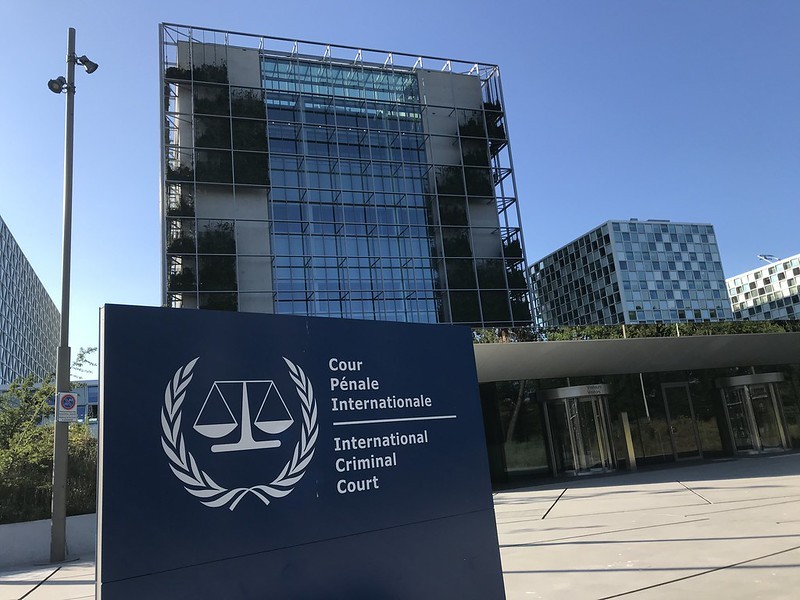
International Criminal Court (ICC) (File Photo: Greger Ravik/Flickr, CC BY 2.0)
The Philippine National Police (PNP) has confirmed that it will work with Interpol to carry out any new arrest warrants related to the International Criminal Court’s (ICC) investigation into the Duterte administration’s war on drugs.
According to PNP spokesperson Brig. Gen. Jean Fajardo, while no new warrants have been issued, the law enforcement agency is prepared to act should Interpol request assistance. The recent arrest of former president Rodrigo Duterte has provided the police force with a framework for handling similar situations in the future.
“If new warrants emerge and Interpol seeks our cooperation, we are fully prepared to assist in enforcing them by Philippine law,” Fajardo stated in a radio interview.
Duterte was arrested at Manila’s international airport on March 11. This event is important because it affects the ICC’s investigation into alleged crimes against humanity related to his anti-drug campaign. The former leader was promptly transferred to The Hague, Netherlands, and placed in the ICC Detention Center in Scheveningen.
Despite widespread public discourse on the issue, the PNP has denied rumors of mass resignations among police officers in support of Duterte. Fajardo dismissed the claims as misinformation, urging the public to verify news sources before spreading unverified reports.
The arrest has caused mixed reactions. Some people want accountability for alleged human rights abuses. Supporters of Duterte claim the arrest is for political reasons. As the ICC investigation continues, the role of the PNP is crucial. They must follow international legal rules while respecting the country’s sovereignty.
The Philippines officially left the International Criminal Court (ICC) in 2019. However, the ICC says it can still handle cases about crimes that happened while the Philippines was a member. This complicated legal situation shows that the Philippine National Police is ready to help with future arrests, which shows that the relationship between Philippine authorities and international justice is changing.
As the situation unfolds, questions remain about possible arrests of other officials involved in the drug war and how this might affect the country’s legal and political landscape.