Business and Economy
Bank of Canada Cuts Rates Amid Economic Uncertainty from U.S. Trade Tensions

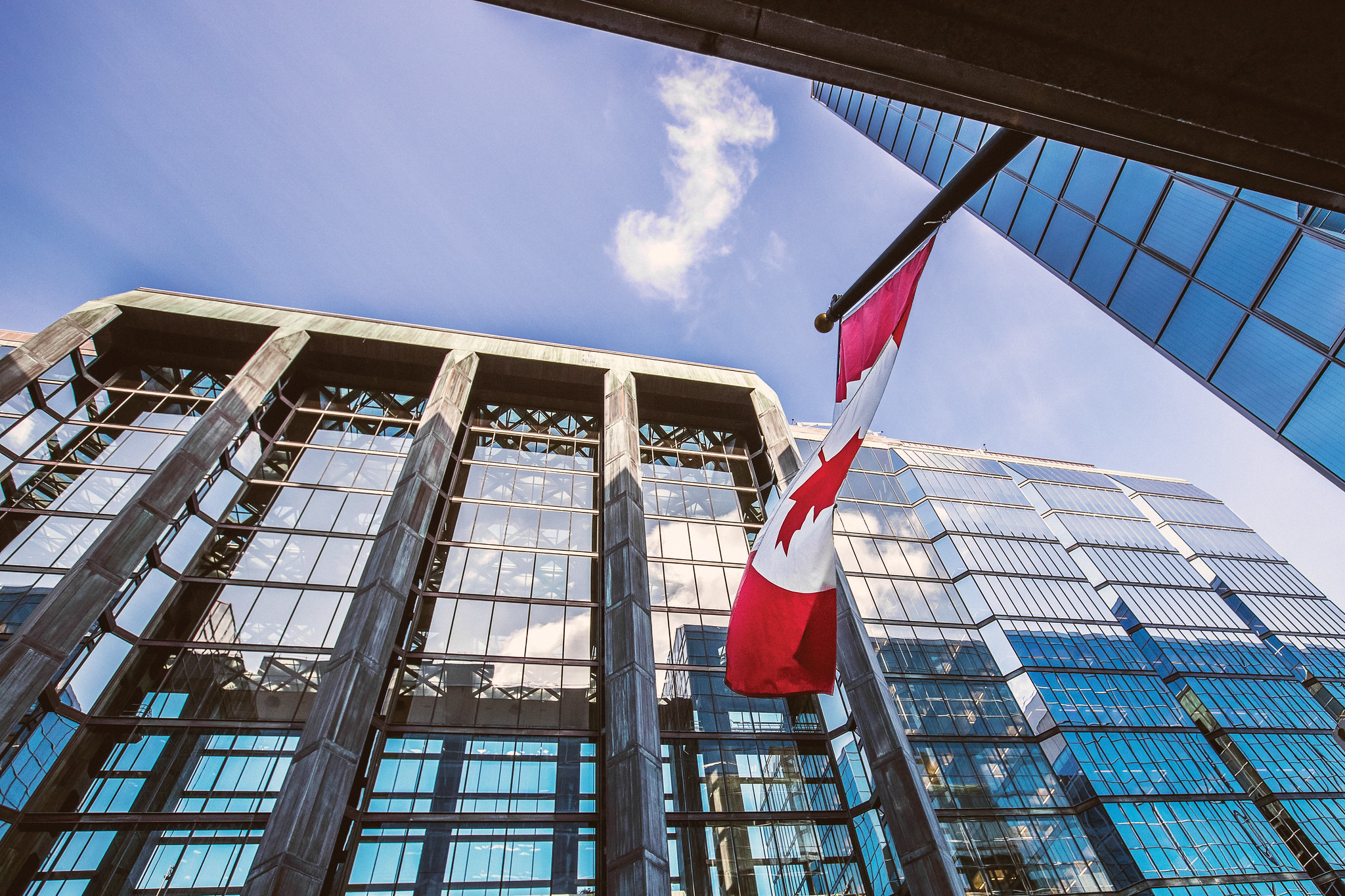
The Bank of Canada is also worried about rising inflation. (File Photo: Bank of Canada – Banque du Canada/Flickr, CC BY 2.0)
PCI
In response to mounting concerns over the effects of ongoing trade tensions with the U.S., the Bank of Canada (BoC) has lowered its key overnight lending rate by 25 basis points, bringing it down to 2.75%. This decision marks the seventh consecutive rate cut since June 2024, highlighting the growing challenges facing the Canadian economy.
Bank of Canada Governor Tiff Macklem explained that while the year began with promising economic indicators, including solid GDP growth and inflation staying within the target range of two percent, the unpredictable and often volatile nature of the U.S.-Canada trade relationship has caused significant economic strain. Uncertainty about tariffs and trade policies has slowed down business investment and hiring, especially in the manufacturing sector, which has lowered its sales forecast. In addition, consumer confidence has dropped, and many people are now more careful with their spending.
Macklem noted that the situation is complex, and it is too soon to fully understand how the new tariffs will affect Canada’s economy. However, surveys from the central bank show that the threat of more tariffs has already led to significant changes in how businesses and consumers act. People feel uneasy, and trade disputes are causing problems. This situation slows down the economy and makes people feel less hopeful about the future.
Economic experts, including CIBC Chief Economist Avery Shenfeld, say the Bank of Canada is worried about the impact of higher tariffs. The central bank’s decision to lower interest rates shows a shift in policy. Officials want to lessen the impact of these trade-related issues. The economy was doing well, but now it is facing a big challenge due to outside pressures, according to Shenfeld.
The Bank of Canada is also worried about rising inflation. Core inflation is above the two percent target, mainly because housing costs increase.
While the central bank’s rate cuts aim to stimulate economic activity, they also risk fueling inflation, especially if rising prices in response to tariffs start to accelerate.
Macklem warned that Canadian businesses are increasingly looking to offset the costs associated with tariffs by raising prices, which could lead to inflation.
This presents a delicate balancing act for the BoC, which is tasked with managing the risks of inflation while trying to support growth. As Macklem explained, the uncertainty surrounding trade negotiations is already raising costs across the economy, from more expensive imports due to a weaker Canadian dollar to higher prices resulting from retaliatory tariffs imposed by Canada in response to U.S. actions.
Macklem stressed that the Bank’s job is not to protect the economy from the effects of the trade war. Instead, the Bank uses monetary policy to help control inflation. Because trade policies can change unexpectedly, the Bank has not made clear predictions. When asked about the possibility of a recession, Macklem and Deputy Governor Carolyn Rogers declined to use the term, instead opting to monitor the situation closely.
Looking ahead, the Bank’s decision-making will be heavily influenced by developments in the trade dispute between Canada and the U.S. BMO Chief Economist Douglas Porter says future interest rate decisions will likely depend on the ongoing trade conflict. If the tariffs keep going, he expects the Bank to lower interest rates more in the next few months. This could bring the key lending rate down to 2% by mid-2025.
The trade war is ongoing, and the Canadian economy is at a critical point, facing internal and external pressures. The Bank of Canada must handle the current challenges carefully to help the country deal with potential economic difficulties ahead. With uncertainty surrounding trade conflicts, the decisions made in the next few interest rate meetings will be crucial for shaping Canada’s economic future.