Business and Economy
Inflation steady at 2.9% in January

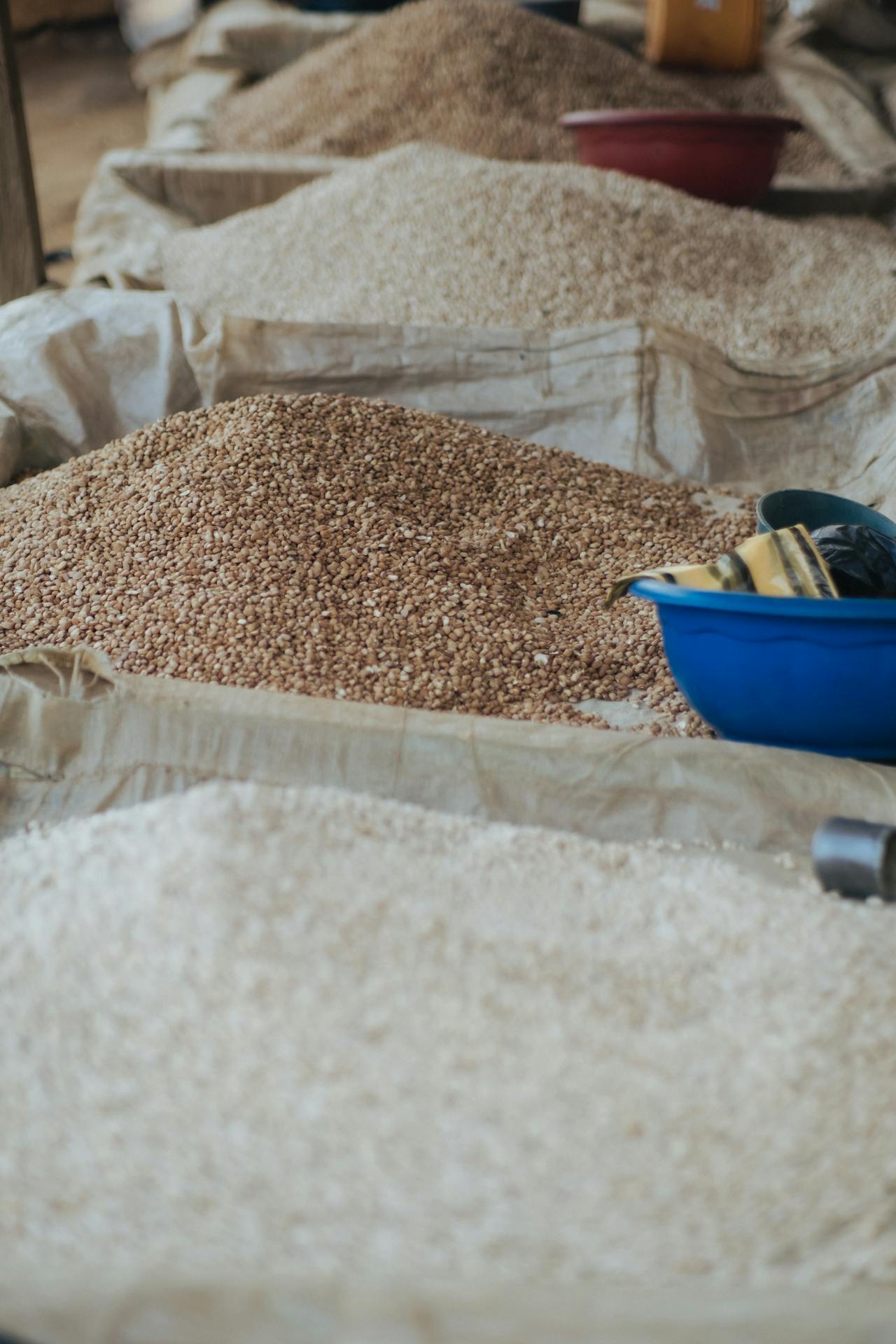
Food inflation alone rose to 4 percent in January this year from 3.5 percent in the previous month. (Pexels Photo)
By Anna Leah Gonzales, Philippine News Agency
MANILA – Headline inflation settled at 2.9 percent in January, unchanged from December 2024 as lower rice prices helped offset the increase in other food items.
In a briefing Wednesday, National Statistician Dennis Mapa said faster annual increases were seen in the indices of food and non-alcoholic beverages at 3.8 percent from 3.4 percent; alcoholic beverages and tobacco at 3.5 percent from 3.1 percent; and transport at 1.1 percent from 0.9 percent.
Food inflation alone rose to 4 percent in January this year from 3.5 percent in the previous month.
Rice, however, recorded a deflation of -2.3 percent, the lowest since the -2.8 percent in June 2020, Mapa said.
Mapa added that the main drivers to the upward trend in food inflation include the faster inflation rate of vegetables, tubers, plantains, cooking bananas and pulses at 21.1 percent from 14.2 percent in December 2024.
The faster annual increase in fish and other seafood, and meat also contributed to the higher food inflation.
Data provided by the Philippine Statistics Authority showed that the average price of regular milled rice went down to PHP48.25 per kilogram in January this year from PHP49.65 per kg. in January 2024.
The average price of well-milled rice, likewise, decreased to PHP54.14 per kg from PHP54.91 per kg, while special rice also declined to PHP63.13 from PHP63.90 per kg in January last year.
The increase in food inflation however, was offset by lower inflation rates in housing, water, electricity, gas, and fuels (2.2 percent from 2.9 percent), restaurants and accommodation services (3.2 percent from 3.8 percent), and clothing and footwear (2.3 percent from 2.4 percent).
“The Philippines’ steady inflation rate is a positive indicator of the government’s commitment to ensure more stable prices in line with the targets of the Philippine Development Plan (PDP) 2023-2028,” the National Economic and Development Authority (NEDA) said in a statement.
Despite the deflation in rice, NEDA has assured that the government continues to take proactive steps to make rice prices more affordable.
The Department of Agriculture (DA), with the endorsement of the National Price Coordinating Council, earlier declared a food security emergency to allow the release and sale of rice buffer stocks from the National Food Authority at lower prices in select Kadiwa ng Pangulo sites.
NEDA Secretary Arsenio Balisacan said the DA is also implementing various interventions to mitigate the impact of La Niña conditions.
These include the construction and rehabilitation of water management systems, and the provision of agricultural inputs such as submergence-tolerant and early maturing seed varieties, animals, and adoption of diversified farming systems.
DA is also ramping up its ongoing vaccination campaign against African swine fever and working closely with the Food and Drug Administration to expedite the approval of the Avian Influenza vaccine.
Balisacan said efforts are underway to secure the PHP300 million needed to fund the vaccine testing, which is expected to begin in March this year.
He said the Maharlika Investment Corporation’s investment in the transmission segment of the power industry would help reduce electricity costs.
“President Marcos has emphasized that there should be no room for complacency as we work toward our targets this year and the medium-term,” Balisacan said.
“We remain vigilant and proactive in anticipating and addressing future developments, whether upside or downside risks, unforeseen or otherwise. Resiliency of our agri-food systems will be one of our most important goals to ensure low and stable prices for all Filipinos,” he added.