By Roojin Habibi, L’Université d’Ottawa/University of Ottawa; The Conversation
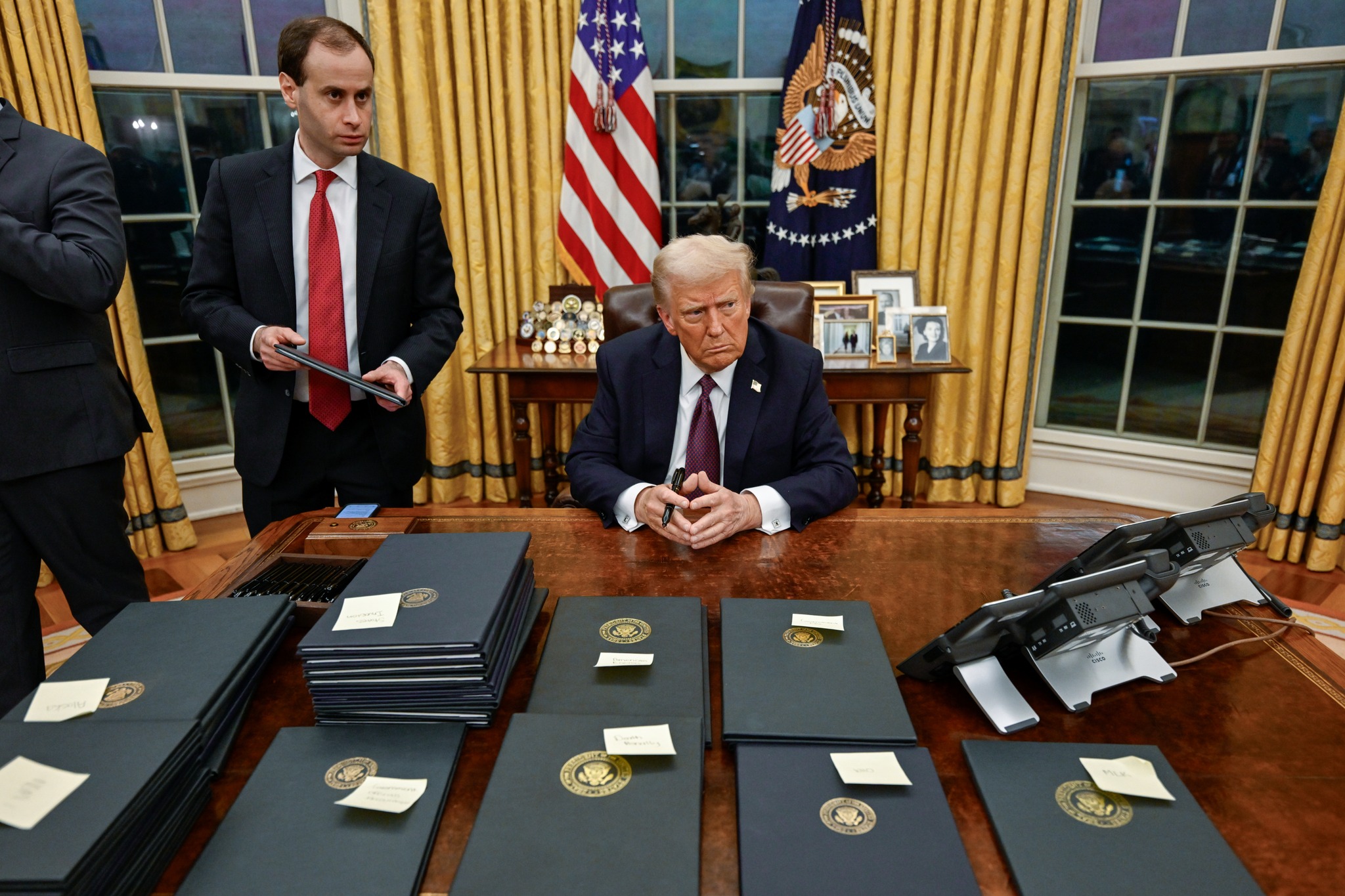
On his first day in office, President Donald Trump tabled several dozen executive orders, among them a stunning directive to re-initiate the American withdrawal from the World Health Organization (WHO). (File Photo: The White House/Facebook)
We’ve heard about the threat that United States tariffs pose to Canadian economic security. But a different kind of insecurity now looms with new leadership from our southern neighbours: insecurity in global health.
On his first day in office, President Donald Trump tabled several dozen executive orders, among them a stunning directive to re-initiate the American withdrawal from the World Health Organization (WHO). The withdrawal process first began in 2020 during Trump’s first term, but was revoked during the Biden administration.
The exit will take effect one year after the United Nations is notified and any outstanding dues to the WHO are paid.
But the order also signals an abrupt end to American engagement with the organization, as it recalls any personnel working with WHO and pulls back from ongoing efforts to reform international law to better prevent future pandemics.
The implications of this move are seismic. Imperfect as it may be, WHO is the cornerstone of global health governance, co-ordinating international efforts to prevent, detect and respond to health emergencies. Its leadership was indispensable during the COVID-19 pandemic, alerting the world to the global health emergency, providing countries with crucial public health guidance, co-ordinating access to the supplies needed to fight the virus and fostering research collaboration.
With the U.S. — a historically critical financial and strategic contributor — opting out, the organization faces not only a crisis in funding but also a symbolic blow to its longstanding mandate.
Ripple effect
Equally troubling is the ripple effect on reforms to prevent future pandemics. The 2024 amendments to the International Health Regulations, set to take effect in September 2025, aim to close crucial gaps in international co-operation on health emergencies.
Similarly, the pandemic agreement, still under negotiation, could give countries an unprecedented blueprint to drive international action against future pandemics. These reforms, shaped by hard lessons from COVID-19, hinge on buy-in from major players — chief among them, the U.S.
The sudden decision to withdraw from these and many other global health initiatives sends a dangerous message. It signals a retreat from multilateralism at a time when the world is increasingly vulnerable to cross-border and planetary health threats.
Worse, it risks setting a precedent for other nations to scale back their commitments to multilateral institutions. In an interconnected world, such disengagement threatens to unravel the collective ability to address shared health challenges.
With outbreaks like H5N1 potentially on the brink of wider spread, this is no time to sever channels of collaboration or abandon institutional partnerships. COVID-19 underscored how delayed responses in one country can quickly cascade into global catastrophe. Without U.S. participation, the world risks a fragmented response to future health crises — a fragmentation that will exacerbate global health inequities and hit the poorest countries the hardest.
While non-state entities, including philanthropic organizations and private companies have increasingly stepped in to fund and support global health initiatives, they cannot replace the financial and strategic influence of countries like the U.S. The WHO will continue its work, but the challenges ahead will be immense. Reduced funding will strain its capacity to co-ordinate global health efforts, and its authority may be weakened without broad international backing.
What’s at stake for Canada
For Canada, the stakes are especially high. Our economic, social and health systems are deeply intertwined with those of our neighbour. A poorly managed outbreak south of the border could quickly spill over, overwhelming our health-care systems and threatening public health capacity.
The withdrawal also weakens the solidarity needed to address intractable collective action challenges like antimicrobial resistance and climate-related health impacts.
Canada now has an opportunity to lead by example. First, we must double down on our commitment to multilateralism by standing firmly with WHO. This includes advocating for sustainable financing mechanisms, supporting institutional efforts to enhance WHO transparency, independence and accountability, and publicly backing the organization, as some countries have already done.
Second, we must strengthen our own public health capacities, ensuring that we are not only prepared for the next pandemic but also able to support others in need. Investments in research, domestic vaccine production and robust health surveillance systems will be crucial.
Finally, we must use the diplomatic channels we have, however tenuous, to engage with U.S. policymakers on the shared benefits of global health co-operation. It’s not too late for the U.S. to reverse course — and Canada can play an important diplomatic role in making the case for collaboration.
We may struggle to imagine the world that gave rise to WHO. It was a world desperate to build anew out of the ashes of war. A world that was ready to pursue the “highest attainable standard of health” for every individual after witnessing violence and inhumanity on an unprecedented scale. And a world that understood what it would take to realize that mandate: every country at the table united in a shared commitment.
Distant though they may seem, the lessons of that world are profoundly relevant to us today. The threats we face are too great, and the stakes too high, for any one nation to go it alone. As the world grapples with the lessons of COVID-19, let us strive for lessons that lead to stronger, not weaker, bonds between nations.
Roojin Habibi, Assistant Professor of Law, L’Université d’Ottawa/University of Ottawa
This article is republished from The Conversation under a Creative Commons license. Read the original article.