By Patrick Megonigal, Smithsonian Institution, The Conversation
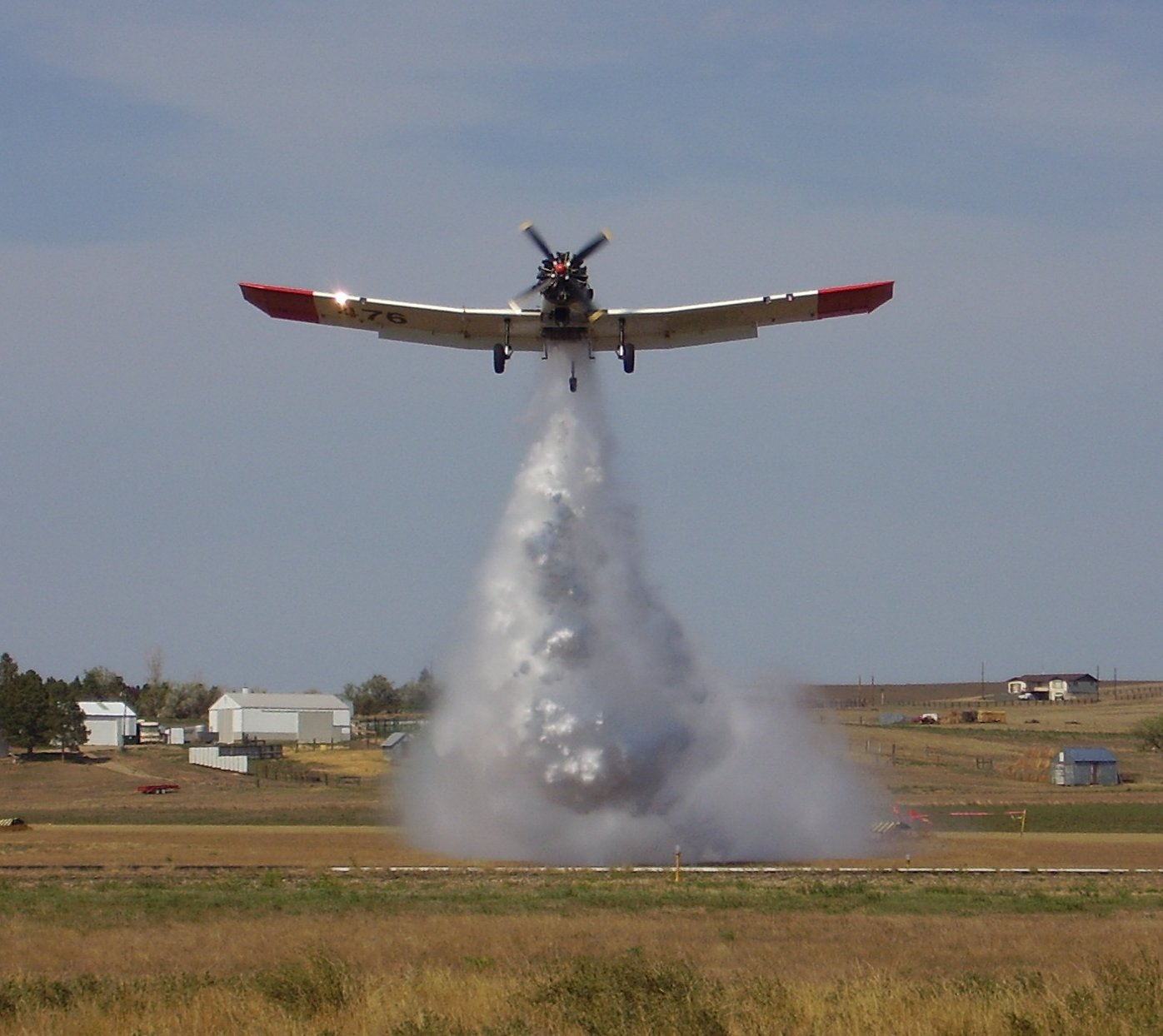
Firefighters battling the deadly wildfires that raced through the Los Angeles area in January 2025 have been hampered by a limited supply of freshwater. So, when the winds are calm enough, skilled pilots flying planes aptly named Super Scoopers are skimming off 1,500 gallons of seawater at a time and dumping it with high precision on the fires.
Using seawater to fight fires can sound like a simple solution – the Pacific Ocean has a seemingly endless supply of water. In emergencies like Southern California is facing, it’s often the only quick solution, though the operation can be risky amid ocean swells.
But seawater also has downsides.
Saltwater corrodes firefighting equipment and may harm ecosystems, especially those like the chaparral shrublands around Los Angeles that aren’t normally exposed to seawater. Gardeners know that small amounts of salt – added, say, as fertilizer – does not harm plants, but excessive salts can stress and kill plants.
While the consequences of adding seawater to ecosystems are not yet well understood, we can gain insights on what to expect by considering the effects of sea-level rise.
A seawater experiment in a coastal forest
As an ecosystem ecologist at the Smithsonian Environmental Research Center, I lead a novel experiment called TEMPEST that was designed to understand how and why historically salt-free coastal forests react to their first exposures to salty water.
Sea-level rise has increased by an average of about 8 inches globally over the past century, and that water has pushed salty water into U.S. forests, farms and neighborhoods that had previously known only freshwater. As the rate of sea-level rise accelerates, storms push seawater ever farther onto the dry land, eventually killing trees and creating ghost forests, a result of climate change that is widespread in the U.S. and globally.
In our TEMPEST test plots, we pump salty water from the nearby Chesapeake Bay into tanks, then sprinkle it on the forest soil surface fast enough to saturate the soil for about 10 hours at a time. This simulates a surge of salty water during a big storm.
Our coastal forest showed little effect from the first 10-hour exposure to salty water in June 2022 and grew normally for the rest of the year. We increased the exposure to 20 hours in June 2023, and the forest still appeared mostly unfazed, although the tulip poplar trees were drawing water from the soil more slowly, which may be an early warning signal.
Things changed after a 30-hour exposure in June 2024. The leaves of tulip poplar in the forests started to brown in mid-August, several weeks earlier than normal. By mid-September the forest canopy was bare, as if winter had set in. These changes did not occur in a nearby plot that we treated the same way, but with freshwater rather than seawater.
The initial resilience of our forest can be explained in part by the relatively low amount of salt in the water in this estuary, where water from freshwater rivers and a salty ocean mix. Rain that fell after the experiments in 2022 and 2023 washed salts out of the soil.
But a major drought followed the 2024 experiment, so salts lingered in the soil then. The trees’ longer exposure to salty soils after our 2024 experiment may have exceeded their ability to tolerate these conditions.
Seawater being dumped on the Southern California fires is full-strength, salty ocean water. And conditions there have been very dry, particularly compared with our East Coast forest plot.
Changes evident in the ground
Our research group is still trying to understand all the factors that limit the forest’s tolerance to salty water, and how our results apply to other ecosystems such as those in the Los Angeles area.
Tree leaves turning from green to brown well before fall was a surprise, but there were other surprises hidden in the soil below our feet.
Rainwater percolating through the soil is normally clear, but about a month after the first and only 10-hour exposure to salty water in 2022, the soil water turned brown and stayed that way for two years. The brown color comes from carbon-based compounds leached from dead plant material. It’s a process similar to making tea.

Alice Stearns/Smithsonian Environmental Research Center, CC BY-ND
Our lab experiments suggest that salt was causing clay and other particles to disperse and move about in the soil. Such changes in soil chemistry and structure can persist for many years.
Sea-level rise is increasing coastal exposure
While ocean water can help fight fires, there are reasons fire officials prefer freshwater sources – provided freshwater is available.
U.S. coastlines, meanwhile, are facing more extensive and frequent saltwater exposure as rising global temperatures accelerate sea-level rise that drowns forests, fields and farms, with unknown risks for coastal landscapes.
Patrick Megonigal, Associate Director of Research, Smithsonian Environmental Research Center, Smithsonian Institution
This article is republished from The Conversation under a Creative Commons license. Read the original article.