By Libby Richards, Purdue University; The Conversation
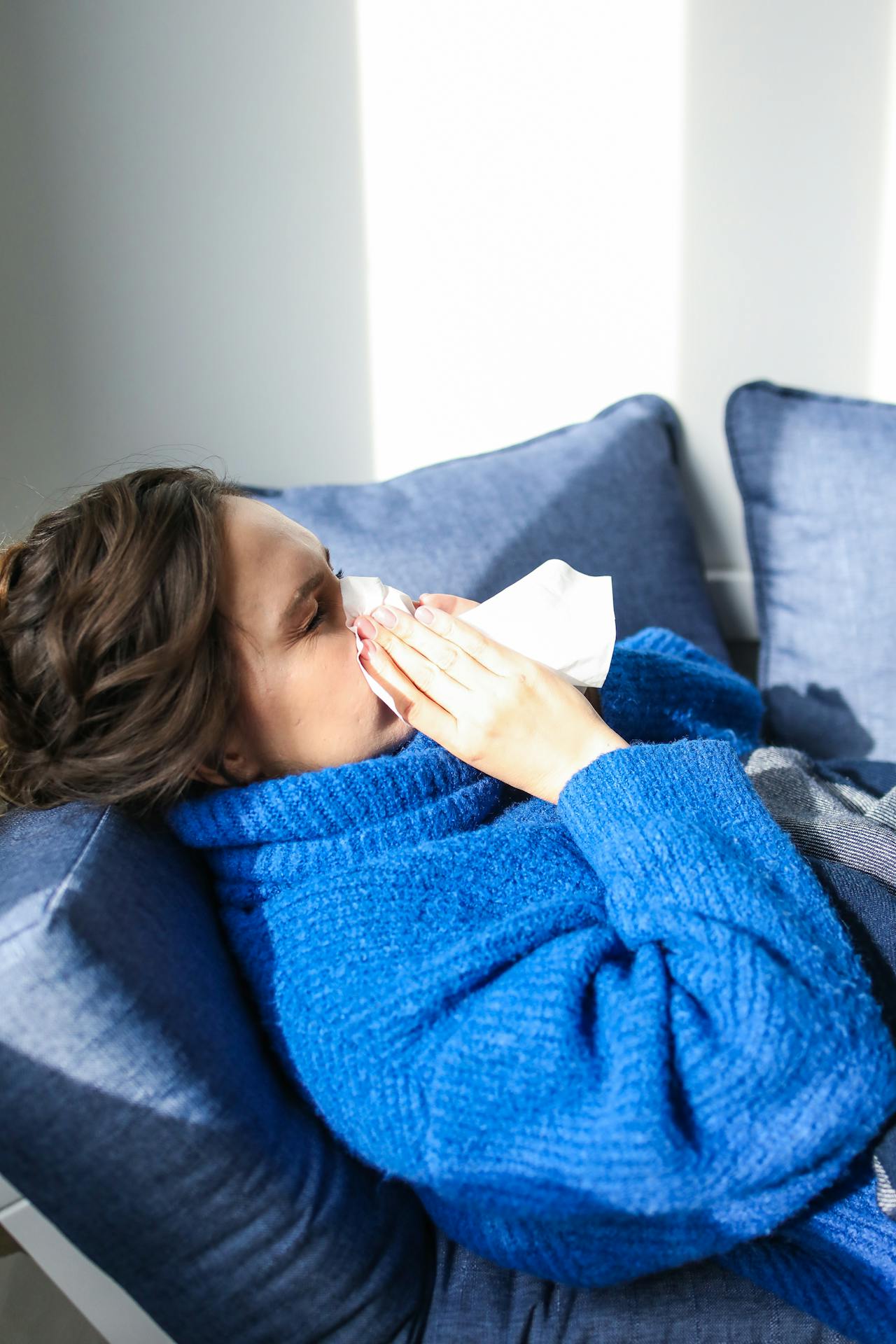
Here’s the distinction: Being cold isn’t why you get a cold. But it is true that cold weather makes it easier to catch respiratory viruses such as the cold and flu. (Pexels Photo)
You’ve probably heard “Don’t go outside in the winter with your hair wet or without a coat; you’ll catch a cold.”
That’s not exactly true. As with many things, the reality is more complicated. Here’s the distinction: Being cold isn’t why you get a cold. But it is true that cold weather makes it easier to catch respiratory viruses such as the cold and flu.
Research also shows that lower temperatures are associated with higher COVID-19 rates.
As a professor of nursing with a background in public health, I’m often asked about infectious disease spread, including the relationship between cold and catching a cold. So here’s a look at what actually happens.
Many viruses, including rhinovirus – the usual culprit for the common cold – influenza, and SARS-CoV-2, the virus that causes COVID-19, remain infectious longer and replicate faster in colder temperatures and at lower humidity levels. This, coupled with the fact that people spend more time indoors and in close contact with others during cold weather, are common reasons that germs are more likely to spread.
The flu and respiratory syncytial virus, or RSV, tend to have a defined fall and winter seasonality. However, because of the emergence of new COVID-19 variants and immunity from previous infections and vaccinations decreasing over time, COVID-19 is not the typical cold-weather respiratory virus. As a case in point, COVID-19 infection rates have surged every summer since 2020.
Virus transmission is easier when it’s cold
More specifically, cold weather can change the outer membrane of the influenza virus, making it more solid and rubbery. Scientists believe that the rubbery coating makes person-to-person transmission of the virus easier.
It’s not just cold winter air that causes a problem. Air that is dry in addition to cold has been linked to flu outbreaks. That’s because dry winter air further helps the influenza virus to remain infectious longer. Dry air, which is common in the winter, causes the water found in respiratory droplets to evaporate more quickly. This results in smaller particles, which are capable of lasting longer and traveling farther after you cough or sneeze.
How your immune system responds during cold weather also matters a great deal. Inhaling cold air may adversely affect the immune response in your respiratory tract, which makes it easier for viruses to take hold. That’s why wearing a scarf over your nose and mouth may help prevent a cold because it warms the air that you inhale.
Also, most people get less sunlight in the winter. That is a problem because the sun is a major source of vitamin D, which is essential for immune system health. Physical activity, another factor, also tends to drop during the winter. People are three times more likely to delay exercise in snowy or icy conditions.
Instead, people spend more time indoors. That usually means more close contact with others, which leads to disease spread. Respiratory viruses generally spread within a 6-foot radius of an infected person.
In addition, cold temperatures and low humidity dry out your eyes and the mucous membranes in your nose and throat. Because viruses that cause colds, flu and COVID-19 are typically inhaled, the virus can attach more easily to these impaired, dried-out passages.
What you can do
The bottom line is that being wet and cold doesn’t make you sick. That being said, there are strategies to help prevent illness all year long:
- Wash your hands often.
- Avoid touching your face, something people do between nine and 23 times an hour.
- Stay hydrated. Eight glasses a day of water is a good goal, but that could be more or less depending on lifestyle and the size of the person.
- Eat a well-balanced diet. Dark green, leafy vegetables are rich in immune system-supporting vitamins, while eggs, fortified milk, salmon and tuna have vitamin D.
- Stay physically active, even during the winter.
- Get adequate sleep.
- Clean hard, high-touch surfaces in your home often.
- If your nose or throat gets dry in the winter, consider using a humidifier.
- Get your annual flu and COVID-19 vaccine.
Following these tips can ensure you have a healthy winter season.
This is an updated version of an article originally published on Dec. 15, 2020.
Libby Richards, Professor of Nursing, Purdue University
This article is republished from The Conversation under a Creative Commons license. Read the original article.