By Bonny Ibhawoh, McMaster University; The Conversation
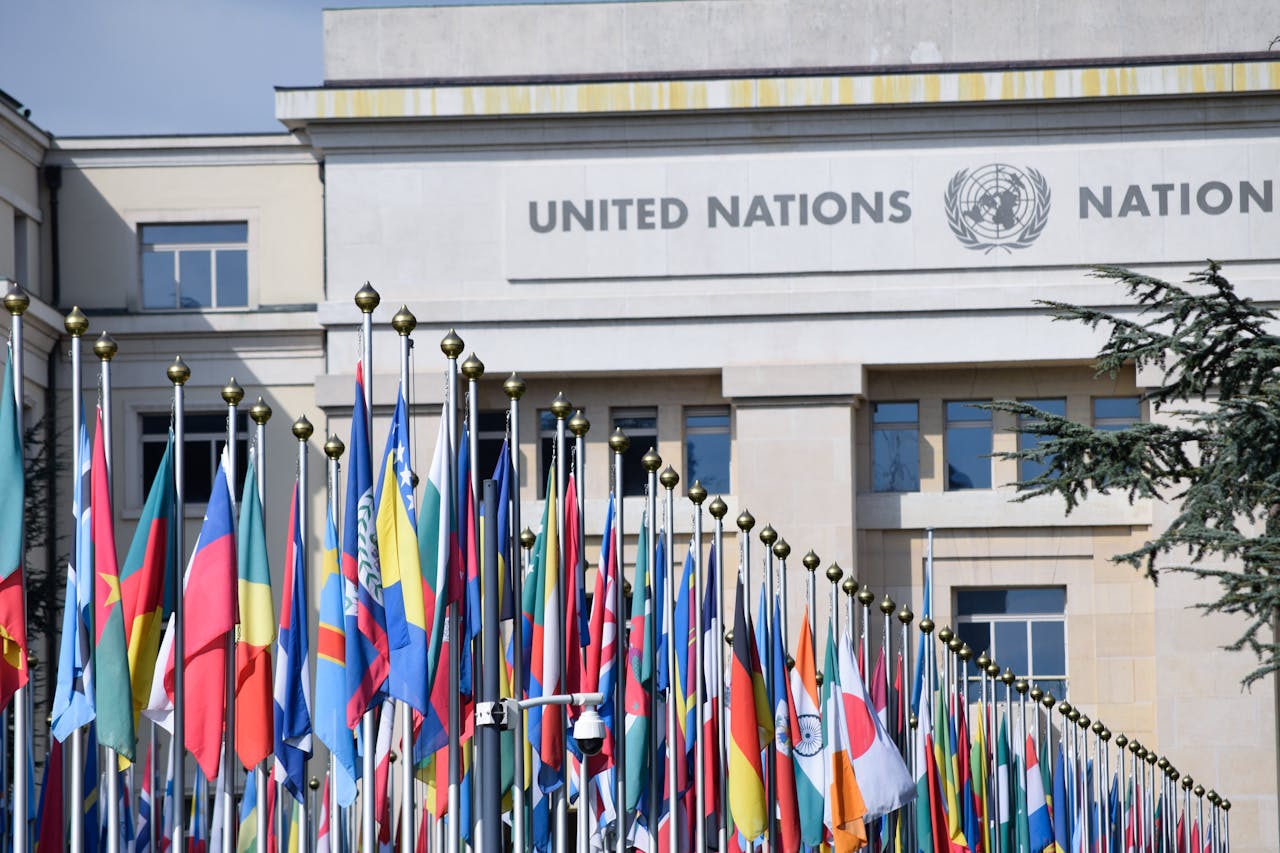
These are truly existential problems, and no single country or group of countries has the mandate or resources to take them on alone. But multilateral collaboration, through the United Nations, is at hand. (Pexels photo)
The problems of the world, including climate change, ongoing war, the COVID-19 pandemic and other emerging diseases, human rights abuses and gross inequality, are spilling well beyond national borders and the ability — or willingness — of individual countries to manage them.
The industrialization of western Europe and North America, for example, which once helped enrich countries in those regions, also created toxic legacies from slavery, colonization, resource extraction and pollution, all of which have generated unfair and lasting consequences.
They robbed other regions and Indigenous peoples of the opportunity to succeed or even to be safe from drought, flooding and other climate-related disasters spawned by large-scale human activities far from their own homes.
The COVID-19 pandemic, the rising threat of avian influenza, MPox and other infectious diseases, coupled with the declining power of antibiotics, also expose the danger of interconnection, where any infection is only a plane ride away from anywhere else on Earth.
A desperate need for solutions
These and other problems call for global solutions, and the world body created to deal with them is recasting its approach to meet them and to anticipate new issues as they arise.
The League of Nations was formed shortly after the First World War, acting on a broad international recognition that a global organization was necessary to preserve world order.
Following the collapse of the League and in the aftermath of the Second World War, the United Nations emerged and worked again to restore and preserve global order after a devastating conflict that featured genocide and the first use of nuclear weapons.
While the UN has served a very useful purpose since that time, its work has primarily focused on problems of the present, such as international peacekeeping, human rights promotion, providing shelter, education, health care and relief to victims of disasters and conflict.
Though we have so far avoided a third world war, our planet and its people are more vulnerable than ever. Geopolitical conflict and risk, including the rising spectre of authoritarianism, ensnare many millions and threaten to erupt into a new global conflict.
The growing consequences of climate change may already have reached a point of no return. Income inequality is becoming starker, both within and between countries and regions. Persistent infectious diseases are growing more resistant while new microbes emerge and spread.
The UN’s evolution
These are truly existential problems, and no single country or group of countries has the mandate or resources to take them on alone. But multilateral collaboration, through the United Nations, is at hand.
The UN is preparing for a significant evolution as it prepares to finalize and adopt its new Pact for the Future, a sweeping document that will guide international action to resolve current crises and shift its focus to the future. A key theme is “enhancing efforts towards peace-building, conflict resolution, and the protection of human rights.”
Later this month — on Sept. 22 and 23 — world leaders will gather at the UN headquarters in New York for the Summit of the Future to adopt the pact.
My research and advocacy in global human rights and my role as vice provost for International Affairs at McMaster University connect me directly to the UN, where I also serve as an independent expert on the right to development.
As the UN broadens and strengthens its global missions, universities and colleges around the world will feed information and ideas into those efforts, in the form of both research and personnel.
Like other schools around the world, McMaster is deeply engaged in the priorities that are shaping the Pact for the Future and remains committed to the UN’s Sustainable Development Goals.
The McMaster Dialogues on Global Challenges, starting soon, will feature a series of expert roundtable discussions on these issues, set within the context of the Pact for the Future.
A time of hope
While it would be easy and even understandable to be pessimistic about the world’s challenges, especially as every tick of the clock pulls us closer to catastrophe, we must also remember that this is a time of great hope.
Acknowledging our problems is the beginning of solving them. Science and medicine are advancing quickly, turning some forms of cancer from deadly illnesses into manageable chronic conditions. New forms of vaccines are renewing the promise of finally eradicating diseases such as polio.
Artificial intelligence, for all the legitimate concerns about machines trampling human thought and creativity, is also opening huge new channels of knowledge and opening shortcuts to advancement.
New forms of energy and ways of using existing energy, such as delivering nuclear power through small modular reactors, are becoming more practical, replacing fossil fuels and slowing the damage they have done to our planet.
While autocrats and rogue states do continue to threaten their own people and people in other countries, the beacon of democracy is brightening in other places, generating broad optimism.
The UN can and must leverage such positivity and use the collective power of shared leadership to overcome the challenges that threaten our existence. We all have parts to play.
Bonny Ibhawoh, Professor of History and Global Human Rights, McMaster University
This article is republished from The Conversation under a Creative Commons license. Read the original article.