Lifestyle
How To Know When To Change Your Tires

Why A Tire Change Is Important
Tires are easily the most important, and yet most neglected component of the car. It is the sole medium that keeps your car on the right side of the road, and not skidding off into a ravine. However, having a good pair of tires for the road is only a good start –– even the best of tires will begin to wear down after a few hundred miles of driving.
Unfortunately, wear and tear is a common occurrence that all drivers must handle. It is often not always a result of long-time usage; it could depend on multiple factors, such as road conditions, weather, an individual’s driving style, among others. If left unchecked, this prolonged wear and tear could potentially result in disastrously catastrophic tire failures –– no one wants to be left stranded on the side of the road, or be caught in a car accident! As such, we’ve compiled a list of warning signs you can take note of, in order to make sure your tires are in perfect working condition. If you think you need to change out your tires, visit https://safedrivegear.com/.
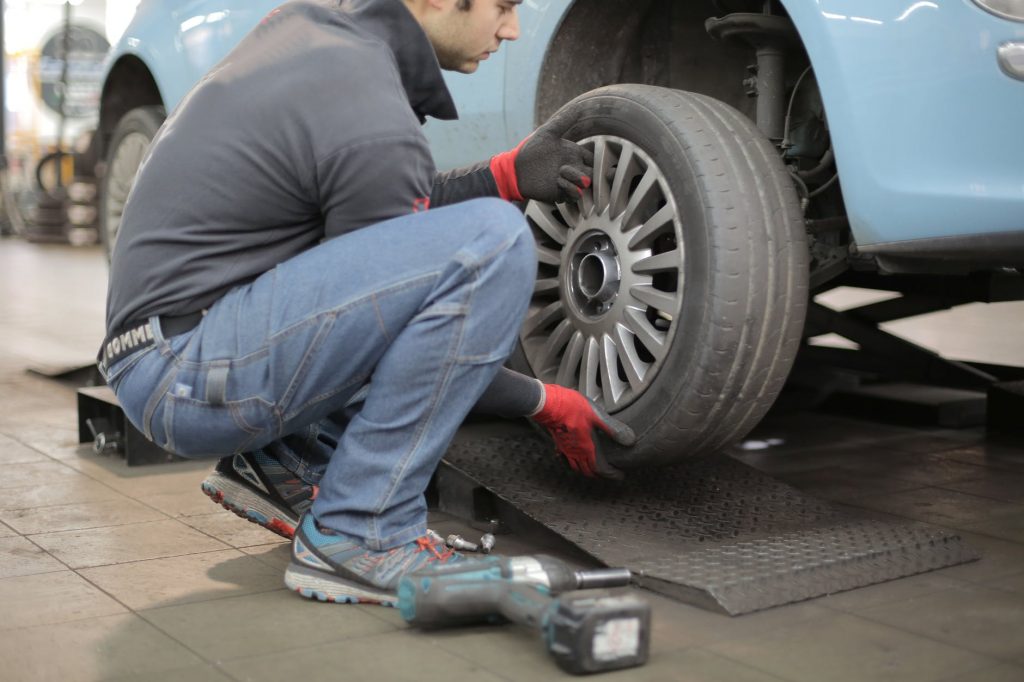
Your Car Vibrates Too Much
When driving on poorly paved roads, it’s inevitable to experience a certain amount of vibration. If you’re a seasoned driver, you should be aware of how much vibration is normal, and how much is considered abnormal. More often than not, tire problems are the number one cause of excessive car vibration.
Before you freak out and head to purchase a new set of tires, check if the vibration is being caused by external factors, such as tire misalignment or faulty shock absorbers. If that’s not the case, it’s probably caused by an internal problem within the tire itself –– such as uneven tire wear, tire imbalance, separated tire tread, damaged wheels, “out-of-round” misshapen tires, improperly inflated tires, or loose lug nuts. We recommend you to rectify this problem as soon as possible, as excessive vibration will cause prolonged tire damage.
Your Tyres Have Visible Bulges and Blisters
If you notice a gum-ball shaped bulge protruding from the outer side of your tire, don’t ignore it! It’s actually an air bubble that has the potential to cause a tire blowout. Tire bubbles are often caused by high-impact damage, such as running into a curb, driving over speed bumps too fast, tire overloading, or even driving with a flat tire. The impact from hitting foreign objects pinches the tire against the rim, causing damage to the inner liner, which results in air escaping into the body of the tire, hence causing an air bubble to form.
Think of it as a tire tumor, if you will –– if left untreated, this could cause severe consequences. Though small in nature, this air bubble could cause more harm than a flat tire to your wheels, the driver, and the other cars driving on the road. It’s akin to having a ticking time bomb on the side of your car, ready to explode any time. We strongly advise you to seek immediate replacement once you’ve spotted a tire bubble before a blowout occurs.
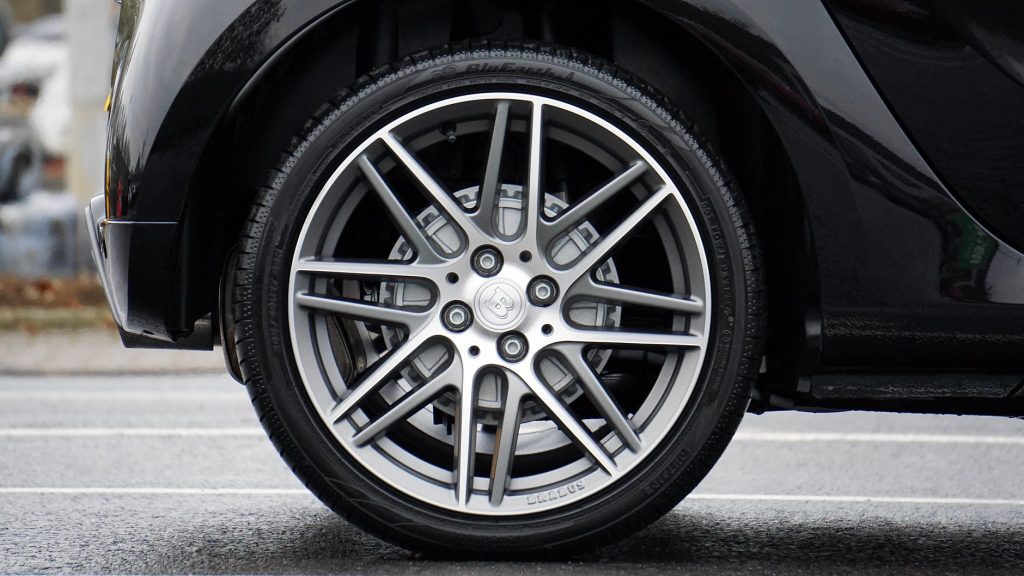
You Notice Cracks in Your Tyre’s Sidewalls
Tire cracking, otherwise known as tire dry rot, is another telltale characteristic of a potential tire blowout. Once you begin noticing sidewall tire cracks, it means that your tires have begun cracking internally. We recommend doing a visual check every now and then to look out for tracks, grooves, or visible cuts in the sidewall. This usually indicates that your tire may be developing a leak and is already on the brink of a tire blowout.
Age, exposure, wear, and tear are the three most commonly causing elements for tire cracking. Imagine owning a rubber band that’s left exposed to wind, rain, sunlight, hail, and is rubbed over asphalt for years. It’s bound to crack, tear and wear out quickly, right? Similarly, tires are made out of rubber, which naturally degrades over time.
The Tread Depth Becomes Shallow
Tread depth is a measurement of length from the base of your tire’s grooves to the surface of your tire. A tire’s tread disperses water from the contact patch and gives the tire enough traction to grip a wet road –– to stop, turn, accelerate, and take a corner. Brand-new tires come with a deeper tread depth of 8-9mm, which allows them to navigate through rainy roads and puddles with great ease. However, long-term road friction will decrease your tire’s tread depth, hence resulting in suboptimal water dispersion.
Most transport authorities legally require vehicles to have a minimum tire depth of 1/16 of an inch or 1.6 millimeters in depth. If you drive regularly on wet, slick surfaces, it’s safer to make sure your tires don’t fall below 0.08 millimeters instead. We recommend drivers either purchase a professional gauge to measure tread depth or opt to do the penny test. Take a coin and place it with Abraham Lincoln’s head in the tire groove –– if his head is not covered by the tread, it’s time to change your tires.
The Tread Wear Indicator Bar Becomes Visible
Commonly known as wear bars, tread wear indicators resemble narrow strips of rubber spread across the base on the main grooves, and are equally spaced around the tire. These strips are invisible or barely noticeable with new tires, but gradually appear as the thread around the tire wears out, acting as a reminder for tire replacement. Drivers are advised to replace their tires once the tires reach a remaining tread depth of two thirty-seconds of an inch.
Conclusion
Owning a car is a huge responsibility to take. As car owners, you are obliged to take proper ownership of your vehicle, which entails regular maintenance and grooming. Not only is it much safer to drive in a well-maintained car, but it also helps to save on external maintenance and breakdown costs. Responsible car ownership extends beyond just the occasional car wash –– it requires dedication.
Replacing your car’s tires is crucial to ensure your’s and your passenger’s safety. As a rule of thumb, you should seek professional help to check your tires for every five years of usage. If your car has passed ten years since its manufacturing date, we advise you to replace your tires, even if they seem to be fine. Plus, we recommend that you replace all four tires at the same time. This helps to eliminate any grip differences between the new and semi-worn tires, which could result in suboptimal handling characteristics that could potentially cause an accident.