News
The UK has bold plans to reach net zero emissions, but it must go beyond just turning off the CO₂ taps

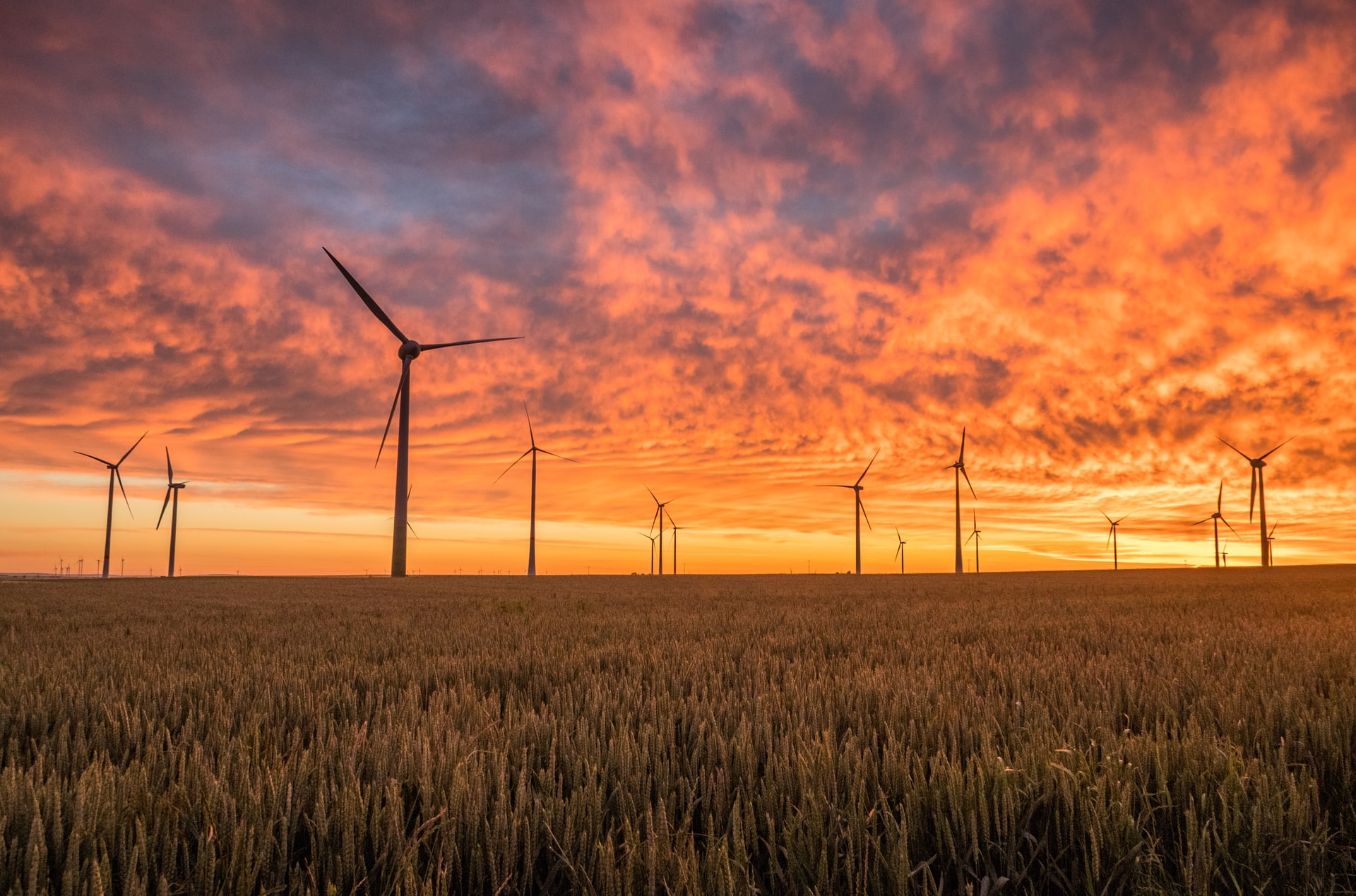
We have already emitted 900 gigatonnes of CO₂ since the industrial revolution and if we continue on a business as usual path it is quite likely that we will emit the same amount again in just the next 30 years. (File photo: Karsten Würth/Unsplash)
Prime Minister Boris Johnson’s ten-point plan for a “green industrial revolution” to get the UK to net zero emissions by 2050 is a significant commitment. Although the root causes of climate change are global, and therefore so are the potential solutions, it is absolutely right that each and every nation contributes to the solution.
As co-directors of the Centre for Climate Repair at the University of Cambridge, we have thought a lot about such plans and how they are built on two fundamental pillars. First reducing emissions as much and as fast as possible, and second removing greenhouse gases at the same rate as we release unavoidable emissions.
The government’s ten-point plan is largely focused on the first pillar – reducing emissions – by setting out how the country will use less energy, and produce that which is actually needed without burning fossil fuels. For instance, the plan includes more investment in new nuclear power, and a previously announced pledge to quadruple offshore wind.
It’s great to see a focus on areas such as improving energy efficiency and heat for homes and business, and rapidly transitioning from fossil fuel energy supply to renewable. Interestingly, technologies such as solar and wind power are now no longer as reliant on government funding support – subsidies have enabled the manufacturing and installation costs to come down more quickly than perhaps even the most optimistic forecasts suggested. However, there are still areas which need help such as switching homes away from natural gas or oil.
A key question remains regarding the emissions which are deemed to be unavoidable, such as some of the emissions from agriculture. What should we do about those? The clearest answer is that we need to invest in technologies which sequester carbon dioxide and other greenhouse gases at the same rate we emit them. These include things such as capturing carbon directly from the air, growing crops which are burnt for bioenergy and the emitted carbon captured and stored, increasing carbon content of soils, growing new forests, or even using more timber in buildings.
A broader answer to the question of these unavoidable emissions are carbon offsets. These are schemes which seek to compensate in some fashion for the fact you have emitted some carbon dioxide. Offset schemes often provide a menu of choices which not only include greenhouse gas removal projects but also those which reduce emissions somewhere else. Although offsets don’t appear to be mentioned in the new UK plan, it is important to understand what they include.
While the net effect of removing carbon dioxide from the atmosphere is arguably the same as paying someone else not to emit carbon dioxide, they are fundamentally different from a societal perspective. Emissions reduction projects should be going ahead worldwide anyway and their inclusion as an offset is a bit analogous to the following:
If I take my dog for a walk in the park, allow it to mess and fail to clear it up, should I pay for this to be cleared up? Or can I simply pay someone an incentive to not leave mess in the park from their dog? We might be left with the same amount of dog mess in the park, but the optics and values are very different.
Does it go far enough?
The next big question is whether the ten-point plan goes far enough. Even once we reach net zero (assuming we get there), there will still be too much carbon dioxide in the atmosphere. We have already emitted 900 gigatonnes of CO₂ since the industrial revolution and if we continue on a business as usual path it is quite likely that we will emit the same amount again in just the next 30 years. The rises in temperature and sea level this will cause are simply too much, and we therefore have to do more.
We will certainly need to deploy greenhouse gas removal approaches at scale. But how long will this take? Climate change is happening much more quickly than the Intergovernmental Panel on Climate Change predicted, and we need to be prepared to take action to restore and protect damaged climate zones such as the Arctic, Greenland and Antarctica. These unique regions are in a perilous state and the ice cover is ostensibly irreversible. How one might intervene to trigger localised cooling without unintended consequences is extremely unclear, and more research is needed before we consider embarking on this path.
The ten-point plan for tackling climate change is to be welcomed. But the UK needs to put more effort into activities which go beyond turning the CO₂ taps off.
Hugh Hunt, Reader in Engineering Dynamics and Vibration, University of Cambridge and Shaun Fitzgerald, Teaching Fellow in Engineering, University of Cambridge
This article is republished from The Conversation under a Creative Commons license. Read the original article.