Canada News
Already stretched, paramedic services feeling bigger crunch from COVID-19

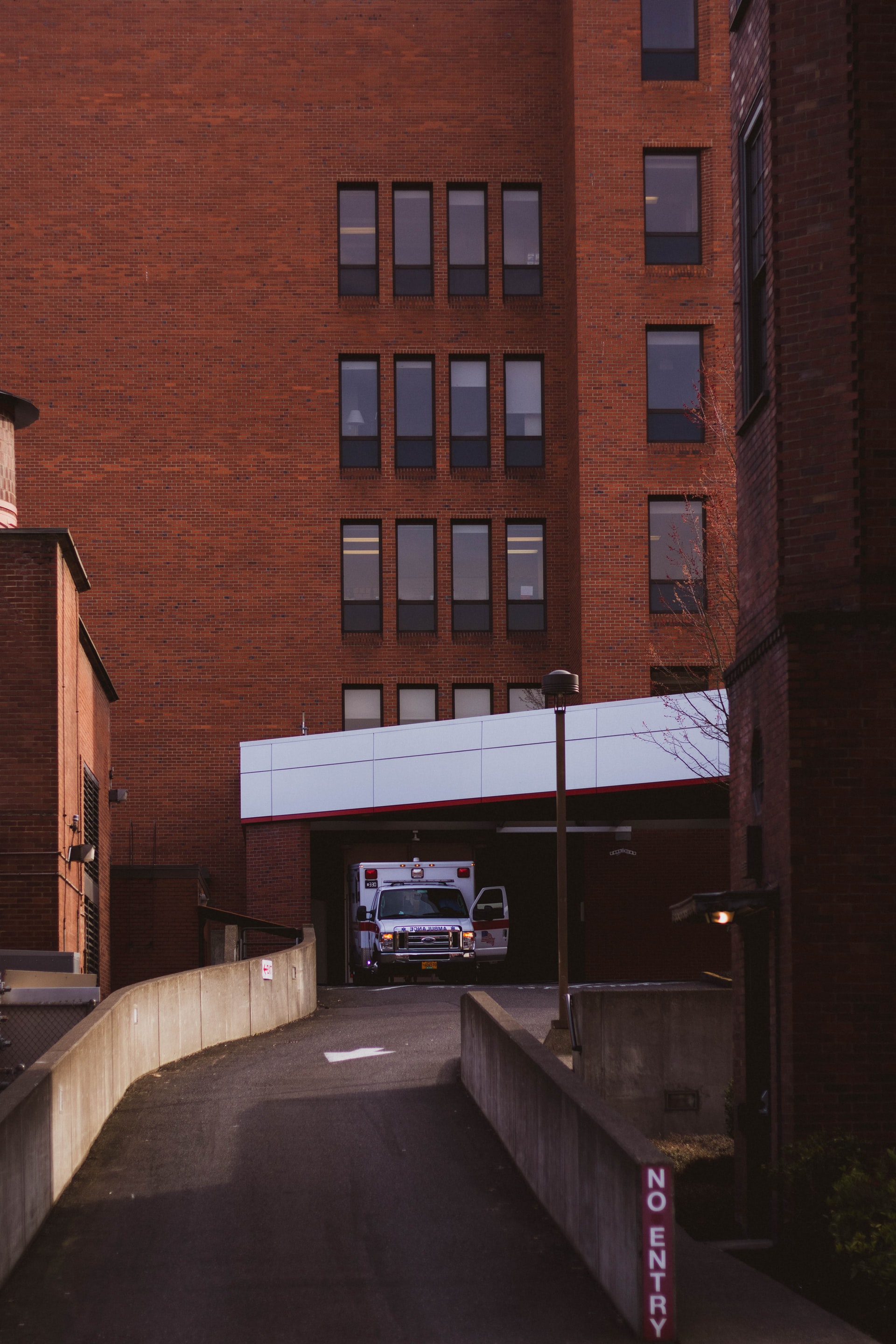
He says an increase in calls in areas hit hard by COVID-19 is putting an added strain on those services, and he expects it will get worse. (File Photo by Zachary Keimig/Unsplash)
OTTAWA — Paramedics across the country who were already working at capacity say they’re being stretched by calls for help with COVID-19 and the extra precautions that come with them.
Dave Deines, the president of the Paramedic Association of Canada, says major paramedic services routinely find themselves with more calls than ambulances to handle them.
He says an increase in calls in areas hit hard by COVID-19 is putting an added strain on those services, and he expects it will get worse.
Deines has even heard anecdotal reports of people calling 911 for ambulances when they have mild COVID-19 symptoms, further taxing services across the country.
“The real strain is the extra demand on the system,” Deines said.
“Most services are set up to handle a big event in a specific area. Nobody really prepares or can prepare for a country-wide prolonged emergency.”
Calls are also taking longer because paramedics need to be careful not to expose themselves to the virus and risk spreading it across the community.
“Every call that a paramedic goes to has the possibility of being a coronavirus patient,” he said.
That means donning full protective equipment several times per shift — a necessary but time-consuming effort.
They must also do longer assessments of patients, and put extra time into disinfecting their vehicles between calls.
Several paramedics have already tested positive for the novel coronavirus in Canada, though it’s difficult to say if they contracted it on the job.
Others have had to take time off work and go into isolation because of close contact with people who have had the virus.
If the outbreak takes hold in Canada, Deines said it would be helpful if paramedics from less-affected regions could pitch in where demand is highest, especially if more of them start to fall ill.
But there are serious regulatory hurdles that will be need to addressed.
While provinces have pandemic plans that would allow for front-line workers to move among them in an emergency, licensing bodies would need to get on board as well.
“We need to do whatever we can to bring in outside help from places that don’t have that high volume,” he said.
Mike Nolan, the chief paramedic for Renfrew County in Ontario, said he’s already in talks to support Indigenous communities in remote regions with limited access to paramedicine.
Call volumes for his service, which operates in large rural area west of Ottawa, have been lower than usual lately. That’s likely because people don’t want to go to the hospital, he said, but he believes it’s “the calm before the storm.”
Renfrew Country has been heralded as a champion of efforts to innovate in the face of COVID-19.
He’s ramped up the county’s community paramedic program so that people can be assessed and tested in their homes, rather than congregating in assessment centres and spreading the virus.
“That’s going exceptionally well,” Nolan said.
The community paramedics are also planning to provide virtual care assessments, which will complement efforts to make primary care virtual in the region as well.
Nolan said he hopes all of that together will make a difference when it comes to keeping ambulances for true emergencies, limiting the spread of the virus and preserving the limited supply of personal protective equipment.
Several other paramedic services across the country are starting to introduce or expand similar services in their jurisdictions as well.