Canada News
Liberals taking new approach for billions in First Nations education funding

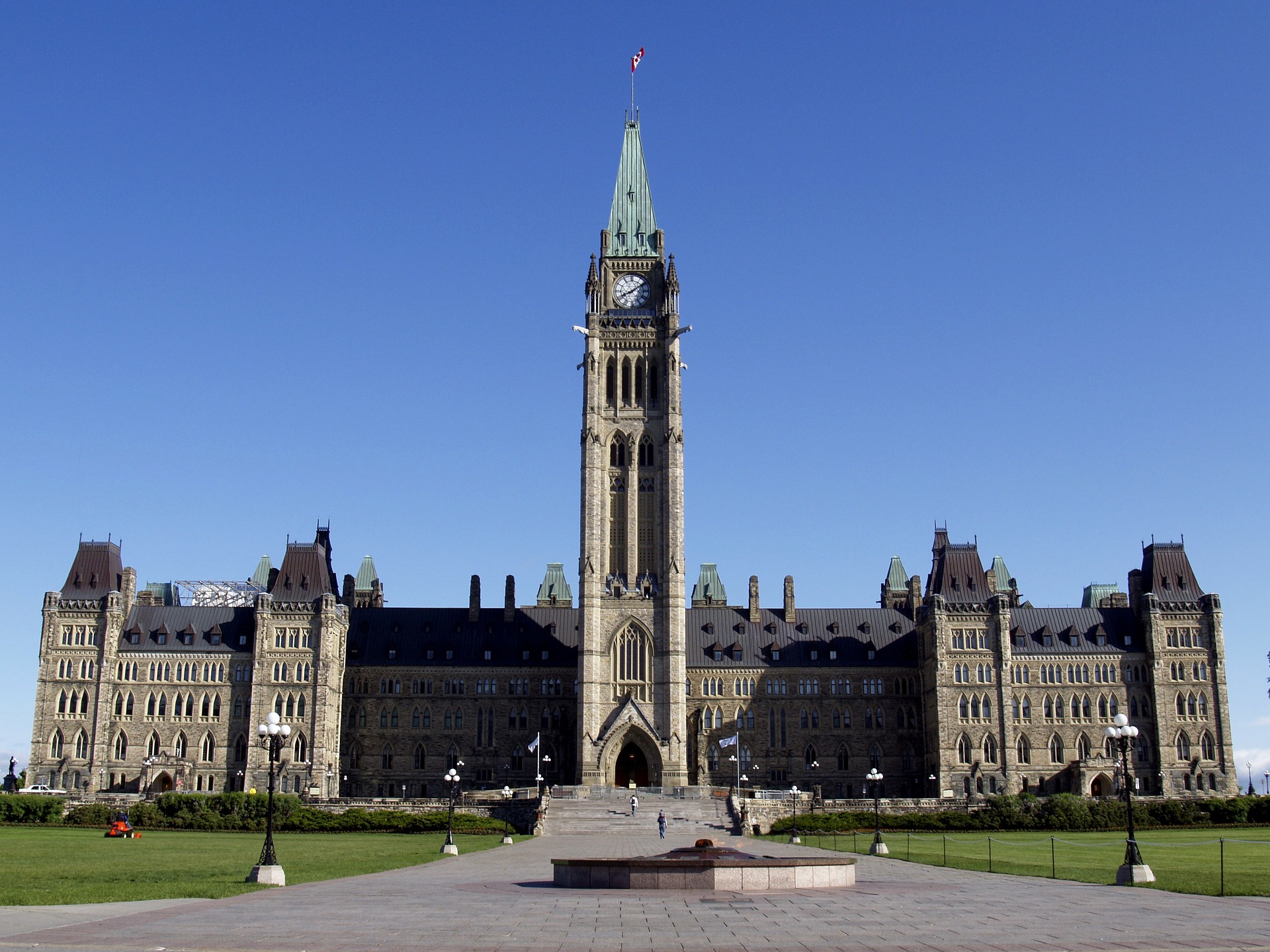
The federal government announced Monday that, starting in April, it will take a new approach it says will create a more predictable stream of money for First Nations elementary and secondary schools. (Pixabay Photo)
OTTAWA — The Trudeau government is changing how Ottawa allocates nearly $2 billion in annual funding for First Nations education to help ensure on-reserve students benefit from support comparable to what’s offered in provincial school systems.
The federal government announced Monday that, starting in April, it will take a new approach it says will create a more predictable stream of money for First Nations elementary and secondary schools.
Ottawa pays for on-reserve education, while the provinces handle much larger school systems off reserves.
A 2016 report from the parliamentary budget office estimated the federal government would have to boost spending by 6 million to 5 million to provide on-reserve students with educations comparable to those they would get elsewhere.
Some First Nations students stay close to home for school, where they often get substandard facilities, resources and teaching. Others leave their reserves for better schooling, but they also lose connections to their families and communities.
“The funding gap is something we’ve been talking about for decades in First Nations education — and this really begins to close that gap,” Ontario Regional Chief RoseAnne Archibald said of Monday’s announcement in an interview.
“It gives them the funding they need to really begin to create a system that is on par with either the province they’re in or nationally across Canada.”
But while Archibald, who also leads the AFN’s education portfolio, called the changes a good step, she stressed there’s a lot more to do to create equity when it comes to First Nations education and communities. For instance, she said First Nations schools have been chronically underfunded for so many years that additional spending may be necessary to help on-reserve students catch up to provincial standards.
Under the new approach, First Nations schools will also receive $1,500 per student every year towards language and cultural programs. Schools will offer full kindergarten for on-reserve kids aged four and five, federal Indigenous Services Minister Seamus O’Regan said Monday.
O’Regan said the changes mean First Nations will have an easier time budgeting for education because they’ll know the money will be there for them year after year.
The new model, he added, was developed after an extensive, two-year engagement process involving several organizations, including the Assembly of First Nations.
“This is very good news because we know when First Nations lead these initiatives and when we’re there to work in partnerships with them with funding we know that we will get greater outcomes,” O’Regan said in Ottawa shortly after the new approach was announced.
“This is about communities taking greater control of their education to make sure that it’s specific to their community, that it’s specific to their cultures and traditions and to their language.”
In a statement, AFN National Chief Perry Bellegarde credited the new approach as a significant move toward closing the education gap, saying it will enable First Nations to plan and build quality school systems that address their needs.
The funding will be within the jurisdiction and control of chiefs and band councils, O’Regan said. He added that Ottawa will work with the communities on accountability for how the money is spent.
In the 2016 federal budget, the Liberals promised to spend an additional $2.6 billion over five years to improve education for First Nations children living on reserves.
Ottawa is expected to spend $1.89 billion in 2018-19 on First Nations elementary and secondary education.
The annual commitment is set to increase each year until it rises slightly above $2 billion in 2020-21.